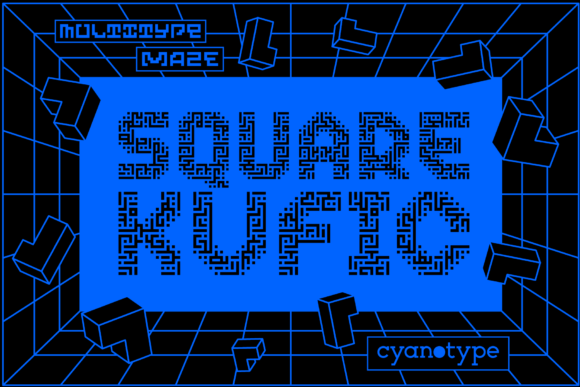
MultiType Maze Square Kufic: A Pixelated Font with a Distorted Edge
In the ever-evolving world of design and typography, unique fonts are more than just aesthetic choices—they’re tools that can define a brand's voice or elevate the visual appeal of digital content. One such font making waves in the creative community is MultiType Maze Square Kufic. With its pixelated structure and distorted yet stylish character shapes, it offers a fresh take on display typography. Whether you're designing for web, print, or motion graphics, this unusual typeface brings a modern edge that stands out in today’s crowded visual landscape.
The Rise of Pixel Fonts in Modern Design
Pixel fonts have seen a resurgence in recent years, thanks to the nostalgia factor associated with retro gaming and early computer graphics. However, their appeal goes beyond aesthetics; they serve as functional elements in UI/UX design, branding, and even data visualization. The challenge for designers has always been to find pixel fonts that don’t feel outdated but instead push the boundaries of what digital typography can achieve.
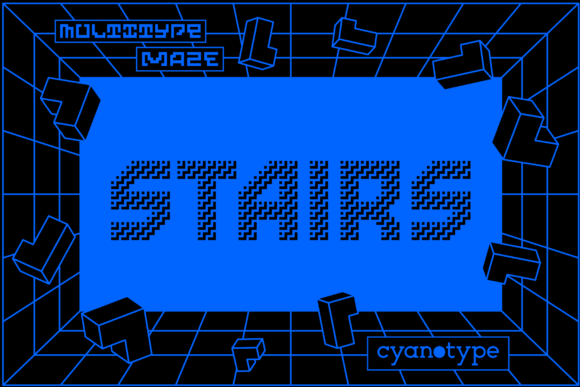
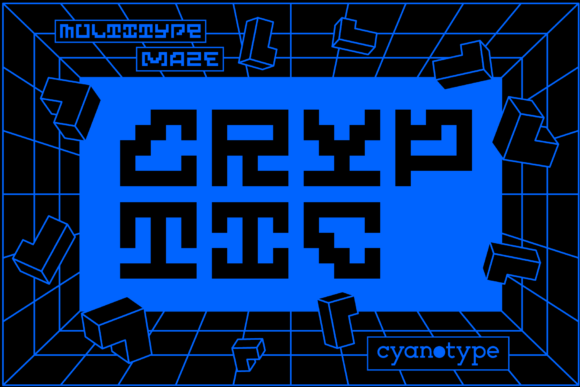
MultiType Maze Square Kufic answers that need by blending traditional Arabic calligraphy with a modern pixel twist. Its square, block-like forms resemble the stylized Kufic script, known for its angular and geometric appearance. But unlike classical Kufic, which is rigid and formal, this version introduces subtle distortions and variations, giving it a trendy, almost glitch-inspired look. This makes it particularly appealing for projects that aim to balance cultural heritage with contemporary style.
A Unique Blend of Tradition and Innovation
Kufic is one of the oldest styles of Arabic calligraphy, often used in Islamic art and architecture. It’s characterized by its uniformity and clarity—ideal for reading but not typically used for decorative purposes. MultiType Maze Square Kufic, however, reimagines this ancient form through a digital lens. Each letter is rendered in a clean, pixel-based format while retaining the essence of Kufic’s structure.
This hybrid approach allows designers to incorporate Middle Eastern aesthetics into modern layouts without compromising legibility or visual interest. It’s especially useful for global brands looking to connect with diverse audiences or for indie creators aiming to add an exotic flair to their work. The result is a font that feels both familiar and futuristic—an asset in any designer’s toolkit.
Why PUA Encoding Matters
One of the standout features of MultiType Maze Square Kufic is its PUA encoding. If you're new to typography jargon, PUA stands for Private Use Area. In simple terms, it means the font includes custom glyphs and symbols that aren’t part of the standard Unicode set. These special characters, including swashes and alternate forms, can be accessed easily through glyph panels in most design software like Adobe Illustrator, Photoshop, or Figma.
This level of customization is invaluable for professionals who want to create visually rich compositions. For example, a logo designer might use these extra glyphs to craft a signature look for a client’s brand identity. Similarly, a motion graphic artist could leverage the varied characters to animate text with dynamic transitions, adding depth and uniqueness to their work.
Accessibility Meets Creativity
While PUA-encoded fonts offer exciting creative possibilities, they also come with a caveat: not all platforms support them seamlessly. However, MultiType Maze Square Kufic is designed with accessibility in mind. Most of the essential characters remain within standard Unicode ranges, ensuring basic compatibility across devices and browsers. Only when you want to go beyond the ordinary do you need to access the PUA section—a small effort for a big payoff.
Applications Across Industries
The versatility of MultiType Maze Square Kufic makes it suitable for a wide range of applications. Here are some realistic examples where it shines:
- Branding and Logos: Businesses targeting a young, tech-savvy audience can use this font to create bold, memorable logos that stand apart from the typical sans-serif or serif options.
- Web Design: As websites become more interactive and immersive, fonts like MultiType Maze Square Kufic help establish a strong visual hierarchy while maintaining readability.
- Social Media Content: Marketers and bloggers can use the font in headers, banners, and infographics to capture attention quickly and align with current design trends.
- Print Media: From posters to packaging, the font adds a distinctive texture that can evoke a sense of adventure or innovation.
- Game UIs and Avatars: Game developers may find this font ideal for titles, menus, or character names, especially in indie games with a retro or cyberpunk vibe.
Real-World Examples
Imagine a fashion brand launching a limited-edition collection inspired by digital art and Middle Eastern motifs. Using MultiType Maze Square Kufic, they could design a tagline that feels both rooted in tradition and forward-thinking. Another example might be a startup in the edtech space using the font for promotional materials to communicate creativity and unconventional learning methods.
Even educators can benefit. A language-learning app focusing on Arabic culture might use the font to introduce users to the beauty of Kufic script in a playful, engaging way. The pixelation and distortion give it a modern twist, helping to bridge the gap between historical appreciation and digital interaction.
Design Trends That Make This Font Relevant
Several key design trends have contributed to the growing popularity of fonts like MultiType Maze Square Kufic:
- Glitch and Digital Art Influence: Glitch effects and digital imperfections have become mainstream in design. This font taps into that trend with its slightly jagged, pixelated edges.
- Cultural Fusion in Branding: More brands are embracing multicultural influences. By incorporating Kufic into a modern pixel format, this font supports that movement.
- Customization and Personalization: Users expect tailored experiences. PUA encoding gives designers the flexibility to customize text, meeting that expectation head-on.
- Minimalism with a Twist: While minimalism remains dominant, there’s a shift toward adding subtle textures and unique elements. This font fits perfectly into that niche.
These trends highlight how MultiType Maze Square Kufic isn’t just another novelty font—it’s a strategic choice for those who understand the evolving needs of their audience and the visual demands of the digital age.
How to Integrate It Into Your Workflow
If you’re considering using this font in your next project, here are some practical tips:
- Use it for headlines or short bursts of text rather than long paragraphs. Its pixelated nature works best when contrasted against simpler body copy.
- Pair it with monospaced or rounded sans-serif fonts to balance the angularity of Kufic with smoother elements.
- Experiment with color overlays or gradient fills to enhance the distorted effect and make the text pop on screen.
- Make sure to test how it renders on different devices and resolutions to maintain consistency in your designs.
For freelancers and small businesses working with limited budgets, this font is a cost-effective way to differentiate their visual output. Unlike hiring a typographer to create custom lettering, using MultiType Maze Square Kufic allows for quick experimentation and iteration without sacrificing quality.
What Sets It Apart from Other Pixel Fonts
There are countless pixel fonts available online, but few combine cultural significance with a modern twist. Many pixel fonts lean heavily into 8-bit or 16-bit aesthetics, which can sometimes limit their applicability outside of gaming or retro themes. MultiType Maze Square Kufic, on the other hand, expands the potential uses by drawing from a centuries-old script while maintaining a digital feel.
This duality is what makes it unique. It can be used in projects ranging from tech startups to cultural campaigns, offering a versatile yet distinct visual language. Additionally, the availability of swashes and alternate glyphs ensures that each piece created with it can be customized to match the tone and purpose of the design.
Practical Implications for Designers and Businesses
For designers, MultiType Maze Square Kufic represents a new frontier in expressive typography. It opens up opportunities to explore non-Latin scripts in ways that feel fresh and relevant. For businesses, it’s a chance to communicate authenticity and innovation simultaneously—something increasingly important in today’s competitive market.
Entrepreneurs in the creative industry should consider this font as part of their brand assets if they’re targeting niche markets or building a personality around technology and tradition. Educators and content creators can also use it to engage audiences interested in design history or cultural studies.
Final Thoughts on Typographic Experimentation
Typography is no longer just about communication—it’s about storytelling, identity, and emotional resonance. MultiType Maze Square Kufic exemplifies this shift by offering a font that’s both culturally rich and visually striking. It challenges the norms of what a pixel font can be and encourages designers to think beyond the conventional.
As we move further into an era defined by personalization and visual differentiation, having access to fonts like this becomes essential. They allow us to speak in a language that’s not only seen but felt—adding layers of meaning and emotion to our designs. So whether you’re a seasoned designer or just starting out, it’s worth exploring how MultiType Maze Square Kufic can bring something new to your creative process.