Satire: A Calligraphy-Inspired Display Font with Flair
When it comes to making a statement, the right typeface can be just as powerful as the words themselves. Satire is a display font that captures attention with its calligraphy-style elegance and expressive character. Designed for projects where personality and style matter most, it’s perfect for anyone looking to add a touch of sophistication or whimsy to their creative work.
What Makes Satire Unique?
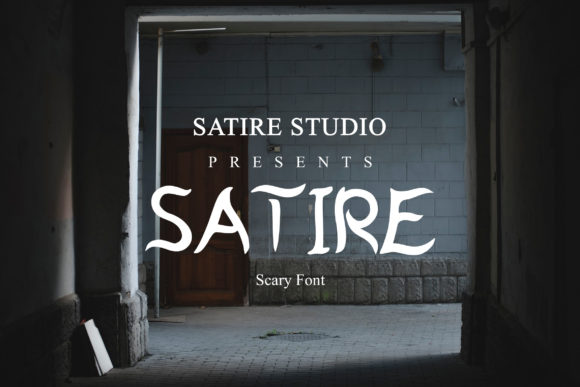
Satire blends the warmth of traditional handwriting with the precision of modern typography. Its flowing lines and subtle variations in stroke width give it a natural, handcrafted feel without sacrificing legibility at larger sizes. The font’s organic shapes and artistic flourishes evoke a sense of creativity and charm, making it stand out in any design context.
This premium font isn’t your typical script. It has a balanced rhythm between letters, ensuring that even multi-line text remains readable and visually appealing. Think of it as a bridge between formal serifs and casual handwritten fonts — a versatile choice for both digital and print use.
Visual Characteristics That Set It Apart
- Calligraphy Style: Inspired by brush strokes and penmanship, each letter feels like it was crafted individually.
- Elegant Flourishes: Delicate endings and connectors on certain characters add a decorative touch without overwhelming the text.
- Expressive Personality: Whether you're designing a luxury brand or a personal greeting card, Satire brings a unique voice to your project.
- Modern Typographic Balance: Despite its traditional roots, the spacing and proportions are optimized for contemporary design needs.
Where Satire Shines in Design
Choosing the right font means understanding where it will perform best. Satire excels in applications where visual impact takes precedence over dense reading. Here are some standout uses:
Invitations and Greeting Cards
There’s something inherently inviting about Satire. Its graceful curves and refined look make it ideal for wedding invitations, birthday cards, or thank-you notes. For designers, this font adds an artisanal quality that elevates the overall aesthetic. Clients often appreciate the warmth and authenticity it conveys.
Branding and Business Materials
If your brand identity leans toward the artistic or the upscale, consider Satire for logos, taglines, or packaging design. It works particularly well when paired with minimalist sans-serif fonts in supporting text, creating a contrast that enhances visual hierarchy. The font’s uniqueness helps build brand recognition — especially in industries like fashion, lifestyle, or boutique services.
Editorial and Publishing Projects
In editorial design, such as magazine covers, book titles, or poster headers, Satire commands attention. Its dynamic presence makes it perfect for headlines or pull quotes, while still allowing more utilitarian fonts to handle body copy. Publishers and bloggers can use it to highlight key phrases or feature names in a way that feels both professional and personable.
Digital and Social Media Use
On websites and social media graphics, Satire can serve as a headline font that draws the eye. It’s especially effective for content-driven sites like blogs or online magazines where a creative typeface can enhance storytelling. Just be sure to test how it looks across different screen sizes and resolutions to maintain clarity.
Quotes and Artistic Posters
Looking to create a quote graphic or motivational poster? Satire delivers the kind of expressive style that makes quotes memorable. Its dramatic yet controlled form allows for easy customization with color gradients, shadows, or textures, giving your designs a rich, layered appearance.
Designing with Satire: Practical Tips and Considerations
While Satire is undeniably beautiful, using it effectively requires thoughtful planning. Here’s how to maximize its potential in your next project:
Evaluating Project Fit
Before choosing Satire, ask yourself if the goal is to inform or inspire. Because it’s a display font, it’s not recommended for long paragraphs or small text. Instead, focus on its strengths — short, impactful messages — where it can truly shine.
Font Pairing Suggestions
Pairing Satire with complementary fonts is essential for maintaining readability and visual balance. Try combining it with a clean sans serif like Montserrat or Helvetica for a modern contrast. Alternatively, a more classic serif like Georgia or Playfair Display can create a timeless, elegant look.
For a bolder statement, use a geometric sans serif like Bebas Neue or Roboto Black as a secondary header. This approach keeps your design fresh while ensuring important information remains legible.
Reviewing Included Styles
Many premium fonts come with multiple weights or alternate glyphs. When working with Satire, check if it includes lighter or heavier variants, swashes, ligatures, or special characters. These options let you fine-tune your design and match the tone of your message more precisely.
Readability and Legibility
Despite its ornate nature, Satire maintains a surprising level of legibility at larger point sizes. However, avoid using it in menus, forms, or anything requiring quick scanning. Always test how it reads in context before finalizing a design. If used correctly, it can enhance professionalism by adding a layer of thoughtfulness to your layout.
Commercial Licensing and Legal Clarity
One of the beauties of a commercial font like Satire is that it gives you peace of mind. Ensure you review the licensing agreement carefully — some fonts restrict use in logos or require attribution. With the right permissions, you can confidently apply Satire to client projects, product packaging, and promotional materials.
Why Choose Satire Over Other Creative Fonts?
In a world full of generic sans serifs and overused script fonts, Satire offers a refreshing alternative. It doesn’t fall into the trap of being too trendy or too old-fashioned. Instead, it strikes a balance that feels both current and classic.
Compared to other handwritten fonts, Satire stands out for its structure and consistency. You won’t find it leaning too heavily into chaos or randomness. Every curve and line contributes to a cohesive whole, which is why it’s so effective in branding and editorial contexts.
A Real-World Example
Imagine a boutique coffee shop launching a new seasonal menu. The logo could use Satire to give it a handcrafted, artisanal vibe. Then, the menu items are listed in a simple sans serif like Open Sans, creating a clear distinction between brand personality and functional content. This combination strengthens brand perception and makes the design more digestible for customers.
Final Thoughts on Using Satire Creatively
Satire isn’t just another pretty font — it’s a tool that can elevate your message and align with your brand’s visual language. Whether you’re crafting a luxury label, a blog post header, or a custom illustration, this font brings a level of artistry that’s hard to replicate.
As a designer or marketer, your job is to connect with your audience through every detail — including typography. Satire allows you to do just that, offering a unique blend of beauty and function. So go ahead, experiment with it in your next creative project. You might be surprised how much of a difference it can make.