MultiType Maze Stairs 3: A Unique Pixel Font for Creative Designers
Fonts play a crucial role in design, shaping how messages are perceived and adding personality to visual content. Among the many font styles available today, pixel fonts have carved out a special niche, especially in digital art, gaming, and retro-inspired designs. One standout in this category is MultiType Maze Stairs 3, a cool, uniquely shaped, and pixelated display font that brings an unusual and trendy aesthetic to any project.
What Is MultiType Maze Stairs 3?
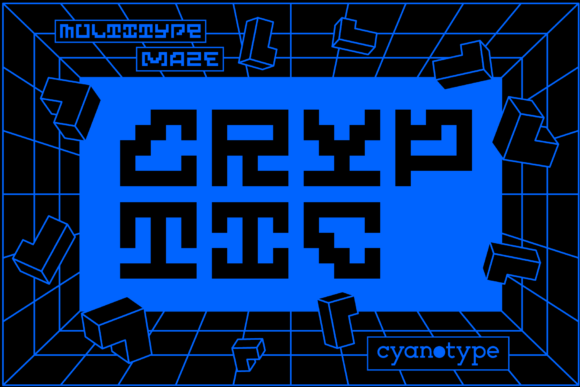
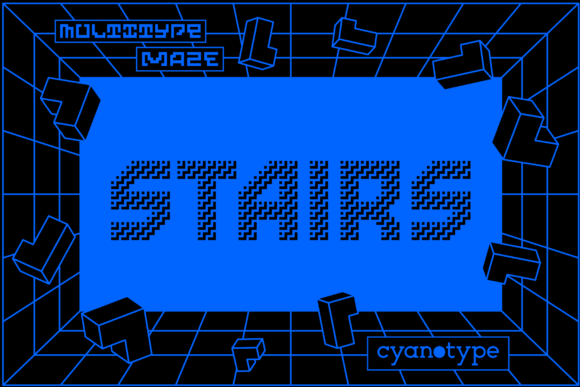
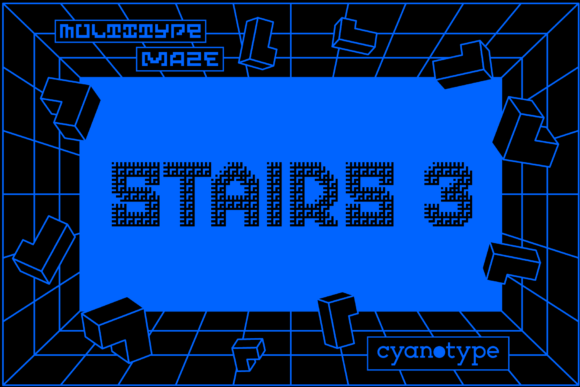
MultiType Maze Stairs 3 is a display font characterized by its pixelated structure and irregular, maze-like formations. Unlike traditional serif or sans-serif fonts, it uses blocks of color to form letters, giving it a distinctively digital feel. This font was designed with modern creatives in mind — those who want to add a touch of distortion, nostalgia, and uniqueness to their typography without compromising readability in the right context.
The name “Maze Stairs” hints at the font’s architectural appearance. Each character resembles a set of stairs or pathways within a grid, making it ideal for projects where visual intrigue is key. The font is not just about style; it's also built for flexibility. Being PUA encoded allows designers to access all glyphs and swashes seamlessly, even on systems where the font isn’t natively supported.
Why Use Pixel Fonts Like Maze Stairs 3?
Pixel fonts were originally created for early computer displays with limited resolution. They mimic the blocky look of text rendered on low-resolution screens, which gives them a nostalgic charm. Today, they are widely used in:
- Retro Gaming: For titles, menus, and UI elements in pixel art games.
- Digital Art: To create cohesive themes that blend vintage and modern aesthetics.
- Social Media Content: Especially in posts related to gaming, tech, or pop culture.
- Marketing and Branding: For brands targeting younger demographics or aiming for a quirky, edgy vibe.
Pixel fonts like MultiType Maze Stairs 3 offer more than just visual appeal. They allow designers to evoke specific moods or eras — whether it’s the 80s arcade feel or the cyberpunk aesthetic of the future. Their structured yet unconventional shapes make them perfect for logos, posters, t-shirts, and other creative applications where standing out matters.
PUA Encoding and Why It Matters
One of the key features of MultiType Maze Stairs 3 is its PUA (Private Use Area) encoding. This means the font includes additional characters, such as alternate glyphs, ligatures, and stylistic swashes, which are mapped into a section of Unicode reserved for private use. While these characters may not appear correctly in all programs unless the font is installed, they can be accessed easily using font editors or software that supports OpenType features.
For designers, this is a major advantage. PUA encoding ensures that you can customize your text with unique symbols and variations, enhancing your creative output. Whether you're designing a logo, creating a poster, or working on a website banner, being able to access all the font’s features gives you more control over the final product.
How Does Maze Stairs 3 Fit Into Modern Design?
In today’s fast-paced digital world, standing out is essential. With so much content vying for attention online, having a visually striking font can make all the difference. MultiType Maze Stairs 3 fits perfectly into this landscape by offering a fresh take on pixel typography.
This font is particularly popular in industries such as:
- Game Development: Developers often use pixel fonts to maintain consistency with the game’s art style. Maze Stairs 3’s stair-step effect adds depth and dimension to UI elements.
- Web Design: Websites focused on technology, gaming, or digital art can benefit from using Maze Stairs 3 for headers or call-to-action buttons.
- Graphic Design: Its bold and eye-catching nature makes it suitable for event posters, album covers, and merchandise designs.
- Education and Presentations: In some cases, pixel fonts can be used to grab attention during presentations or to highlight sections in educational materials aimed at younger audiences.
Its versatility doesn’t stop there. Maze Stairs 3 can be layered with textures, gradients, or animations to create even more dynamic effects. For example, combining it with a glitch animation could give your design a futuristic edge, while applying a weathered texture might lend it a vintage quality.
Practical Applications of MultiType Maze Stairs 3
Let’s explore some real-world examples of how MultiType Maze Stairs 3 can be used effectively:
1. Logo Design
A company specializing in virtual reality experiences might use Maze Stairs 3 to craft a logo that feels both high-tech and playful. The pixelated nature of the font aligns with the digital theme, while its unique shape helps the logo stand out in a crowded market.
2. Social Media Graphics
On platforms like Instagram or Twitter, where visuals are king, Maze Stairs 3 can help your posts catch the eye instantly. For instance, a designer promoting a new pixel art tutorial could use the font in the post title to signal the theme and attract the target audience.
3. Merchandise and Print Materials
T-shirt designs, stickers, and posters often require fonts that are both legible and memorable. Maze Stairs 3 provides the perfect balance. Its pixel-based structure ensures clarity at large sizes, while its stylized form adds a sense of fun and originality.
4. Website Headers and Menus
If you’re building a site for a digital artist or indie game developer, using Maze Stairs 3 for headers or navigation bars can reinforce the brand’s identity. Just ensure that it's paired with a more readable font for body text to maintain usability.
Common Misconceptions About Pixel Fonts
Despite their popularity, pixel fonts still face some misconceptions. Let’s clear up a few:
- Misconception 1: Pixel fonts are only for retro designs.
Reality: While they do work well in retro-themed projects, pixel fonts like Maze Stairs 3 can also be used in contemporary and experimental designs. Their blocky structure offers a modern twist when applied creatively.
- Misconception 2: Pixel fonts aren’t professional enough for business use.
Reality: It depends on the context. For informal branding or marketing campaigns targeting younger audiences, pixel fonts can actually enhance professionalism by aligning with the brand’s identity and purpose.
- Misconception 3: You need advanced skills to use pixel fonts effectively.
Reality: While understanding typography principles helps, pixel fonts are accessible to beginners too. Tools like Adobe Photoshop, Illustrator, or free alternatives such as Canva provide easy ways to experiment with these fonts and see what works best for your project.
Design Tips for Using Maze Stairs 3
To get the most out of MultiType Maze Stairs 3, consider the following tips:
- Use Sparingly: Due to its bold and intricate design, this font should be reserved for headlines, titles, or accents rather than body text.
- Experiment with Color: Since each character is made up of small pixels, playing with color gradients or monochrome schemes can dramatically change the mood of your design.
- Pair with Complementary Fonts: Combine Maze Stairs 3 with a clean, modern sans-serif font to maintain contrast and readability in your layout.
- Add Texture or Effects: Distortions, shadows, or overlays can amplify the font’s already strong visual impact. Try using noise filters or scan-line effects for a true pixel-art feel.
- Test Across Devices: Because pixel fonts rely on precise alignment, always check how your design looks on different screen sizes and resolutions.
Where to Find and Download MultiType Maze Stairs 3
If you're interested in trying out MultiType Maze Stairs 3, it’s typically available through online font marketplaces like FontBundles, DAFont, or FontSpring. Always make sure to download the font from a reputable source to avoid licensing issues.
Some platforms may offer a preview option before purchase, allowing you to test the font in different contexts. Others provide full licenses for commercial or personal use, depending on the creator’s terms.
Why Choose Maze Stairs 3 Over Other Pixel Fonts?
With so many pixel fonts available, why would someone choose Maze Stairs 3? Here are a few reasons:
- Unique Structure: The stair-step pattern sets it apart from typical blocky pixel fonts, offering a fresh perspective on pixel typography.
- High-Quality Construction: Designed with attention to detail, each character maintains clarity and balance, even when scaled up or down.
- Modern Features: Thanks to its PUA encoding, it includes a wide range of glyphs and stylistic options, giving you more creative freedom.
- Timeless Appeal: While rooted in the past, Maze Stairs 3 has a futuristic edge that makes it relevant across various design trends.
These qualities make it a go-to choice for designers who want to push boundaries and bring something new to their projects.
Final Thoughts
MultiType Maze Stairs 3 is more than just another pixel font — it's a tool that combines nostalgia with innovation. Whether you're designing for a digital platform, print media, or personal creative expression, this font can elevate your work with its distinctive, distorted charm.
By understanding how to use it effectively and pairing it with the right tools and techniques, you can unlock its full potential. So next time you’re looking to add a trendy, artistic flair to your designs, consider reaching for Maze Stairs 3. Its unique structure and modern functionality make it a valuable asset in any designer’s toolkit.