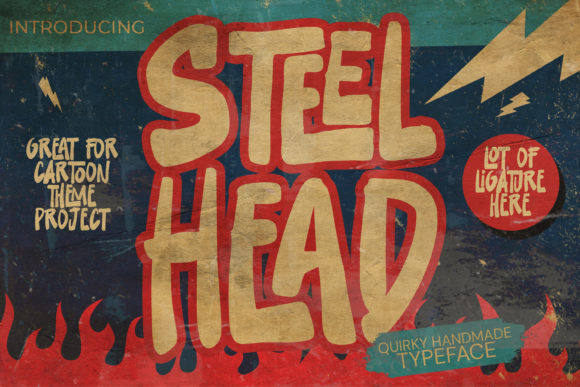
Steel Head: A Brushed Display Font with a Unique Street Art Vibe
Fonts play a crucial role in design, shaping how messages are perceived and adding personality to visual content. Among the many display fonts available today, Steel Head stands out for its distinctive style—combining the raw energy of street art with the elegance of brushed strokes. This article explores what Steel Head is, its key features, and how it fits into various design scenarios compared to other similar options.
What Is Steel Head?
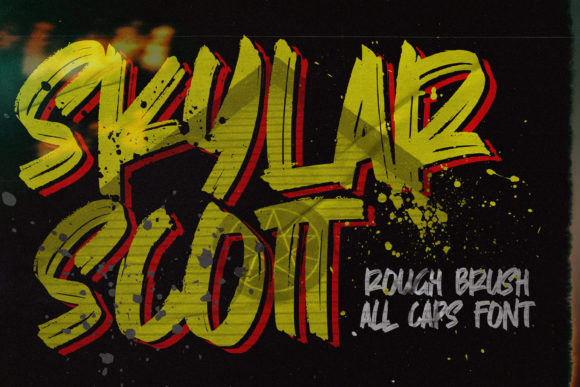
Steel Head is a brushed display font characterized by its irregular, dynamic letterforms that mimic hand-painted or brush-stroked text. Its design evokes a sense of grit and rebellion, making it ideal for projects that aim to capture attention through bold, unconventional typography. Unlike traditional serif or sans-serif fonts, Steel Head has an expressive, almost chaotic feel, which can be both captivating and versatile depending on the context.
The font’s name hints at its core qualities: strength, aggression, and a hint of edginess. Each character is infused with movement, as if painted in one swift stroke, giving it a unique texture that's not commonly found in standard typefaces. This makes Steel Head particularly suitable for designs where visual impact and artistic flair take precedence over legibility at a distance.
Distinctive Traits of Steel Head
Several characteristics set Steel Head apart from other display fonts:
- Brushed Texture: The font mimics the look of paint being applied with a brush, resulting in soft edges and varying stroke widths that add depth and realism.
- Street Art Influence: Inspired by graffiti and urban culture, Steel Head carries a rebellious spirit that resonates with modern aesthetics.
- High Contrast: Letters often feature dramatic contrast between thick and thin strokes, enhancing their visual punch.
- Decorative Elements: Some characters include subtle embellishments or flourishes that amplify the creative vibe.
These traits make it a compelling choice for designers seeking to infuse their work with a sense of individuality and cultural relevance.
Strengths of Using Steel Head
Steel Head excels in specific use cases due to its strong visual identity. Here are some of its key strengths:
- Attention-Grabbing: With its bold, expressive nature, Steel Head can command attention in print and digital formats alike.
- Brand Personality: It’s excellent for conveying a brand’s attitude—whether it's youthful, daring, or artistic.
- Versatility in Design Applications: The font works well in a range of contexts including t-shirts, sportswear, logos, advertisements, and clothing labels.
- Creative Projects: Ideal for posters, album covers, and social media graphics where creativity and uniqueness are paramount.
For example, a clothing brand targeting urban youth might use Steel Head on a hoodie design to reflect a subculture-inspired identity. Similarly, a music festival poster could leverage the font to create a moody, edgy atmosphere that aligns with the event’s vibe.
When to Use Steel Head—and When Not To
While Steel Head is powerful in the right setting, it’s important to consider when it might not be the best fit. The font is primarily designed for short bursts of text rather than large bodies of copy. Its decorative nature means it may sacrifice readability, especially in smaller sizes or on screens with lower resolution.
Best-Fit Situations:
- Headlines and titles that need to stand out.
- Branding elements such as logos, taglines, and product names.
- Merchandise like t-shirts, hoodies, and jackets where visual appeal is essential.
- Marketing materials such as billboards, posters, and flyers for events or products with a street-style theme.
Situations to Avoid:
- Long paragraphs of body text due to reduced legibility.
- Official documents or formal communication where clarity and professionalism are key.
- Contexts requiring high accessibility, such as signage for public spaces.
Comparing Steel Head with Other Display Fonts
Many display fonts share similarities with Steel Head, but each brings its own nuances. For instance, graffiti-style fonts often focus more on angular, jagged lines and exaggerated shapes. While these can also convey a streetwise aesthetic, they may lack the smoothness and balance that Steel Head offers through its brushed finish.
In comparison, script fonts tend to have flowing, cursive strokes and are more suited for elegant or romantic themes. Steel Head, on the other hand, leans toward the aggressive and stylized side of the spectrum, making it better for edgy or contemporary designs.
Stencil or punk-style fonts also overlap in some areas but typically emphasize sharp cuts and uniformity. Steel Head’s organic, hand-brushed appearance gives it a more human touch, distinguishing it from the mechanical feel of stenciled styles.
Design Considerations When Using Steel Head
Choosing Steel Head for your project requires thoughtful planning to ensure it complements your overall design goals. Here are some tips for using it effectively:
- Color Pairing: Due to its dark, brooding tone, pairing Steel Head with lighter or contrasting colors (like neon green or bright red) can enhance its visibility and impact.
- Spacing and Kerning: Because of the irregular shapes, adjusting the spacing between letters can help improve readability without compromising the font’s aesthetic.
- Layering with Graphics: Combining the font with textures, overlays, or background images can further amplify its street art vibe and integrate it seamlessly into the design.
One practical approach is to use Steel Head alongside a simpler, clean sans-serif font for body text. This creates a balanced hierarchy where the headline grabs attention while the supporting text remains easy to read.
Evaluating Alternatives to Steel Head
When selecting a font, it's wise to explore alternatives to determine the best match for your needs. Here are a few categories of fonts that serve different purposes compared to Steel Head:
1. Bold Sans-Serif Fonts
Bold sans-serif fonts offer a modern and clean alternative to Steel Head. They provide high contrast and visual weight but lack the same level of artistic expression. These fonts are great for minimalist designs or when you want a strong message without the added complexity of a decorative typeface.
2. Calligraphy or Handwritten Fonts
Handwritten fonts bring a personal, fluid touch to designs. While they may share some of Steel Head’s expressive qualities, they often prioritize elegance over edge. These fonts are well-suited for wedding invitations, greeting cards, or artisanal branding.
3. Industrial or Brutalist Fonts
Industrial-style fonts have a heavy, blocky appearance and are frequently used in gritty or no-nonsense designs. Though they may seem similar in mood, they differ in execution—prioritizing geometric rigidity over the organic flow of Steel Head.
Limitations and Tradeoffs
Like any specialized font, Steel Head comes with certain tradeoffs. One major limitation is its reduced readability, particularly in extended text or small sizes. This can make it unsuitable for applications where information must be quickly understood, such as infographics or instructional materials.
Another consideration is licensing and usage rights. If you're planning to use Steel Head in commercial projects, always verify the font’s license to ensure compliance with distribution and modification rules. Some brushed fonts may require attribution or restrict use to specific industries.
Finally, while Steel Head can enhance visual storytelling, it may not be appropriate for every brand or audience. If your target demographic prefers a polished, professional look, this font might not align with their expectations.
Realistic Examples of Steel Head in Use
To illustrate where Steel Head shines, let’s look at a few realistic examples:
- T-Shirt Branding: A new urban apparel line uses Steel Head for the logo and slogan on its flagship hoodie. The font’s rough edges and paint-like texture reinforce the brand’s DIY ethos.
- Music Festival Poster: Designed to promote a punk rock festival, the poster features Steel Head in large, glowing red letters against a black background. The contrast and texture evoke the raw energy of live performance.
- Ad Campaign for a Skate Shop: The shop’s latest campaign showcases Steel Head in a graffiti-style mural, blending the font with actual spray-paint visuals to create a cohesive urban theme.
In all these cases, the font’s unique character helps communicate a specific message or feeling. However, the same font would likely fall flat in a corporate presentation or medical brochure, highlighting the importance of context in font selection.
How to Decide if Steel Head Is Right for You
Selecting the right font involves more than just liking its appearance—it should align with your design purpose and audience. Ask yourself the following questions before choosing Steel Head:
- Do I need a font that conveys a bold, artistic statement?
- Will the text be short and impactful, rather than long-form content?
- Is my target audience receptive to street art or edgy aesthetics?
- Can I pair it with other design elements to maintain balance and readability?
If most of these apply to your project, Steel Head could be an excellent fit. Otherwise, consider exploring cleaner or more readable alternatives that still support your creative vision.
Final Thoughts on Choosing Steel Head
Steel Head is a standout option for designers looking to inject a sense of raw creativity and urban influence into their work. Its brushed display style and street art inspiration make it perfect for fashion, entertainment, and lifestyle brands aiming to connect with younger, trend-conscious audiences. However, its limitations in terms of readability and formality mean it’s not universally applicable.
By weighing its strengths and weaknesses against your design goals, you can decide whether Steel Head will elevate your project or if another font might serve your needs better. Remember, the best typographic choices are those that enhance the message while fitting the medium and the audience naturally.