Evaluating Death Stinger: A Practical Guide to Using Horror Fantasy Hand-Lettered Typography
In the realm of graphic design, typography is rarely just about readability; it is about atmosphere, tone, and immediate emotional resonance. When a project demands a specific aesthetic—one that evokes ancient runes, dark fantasy narratives, or visceral horror—the choice of typeface becomes the primary vehicle for storytelling. Among the specialized tools available to designers, Death Stinger has emerged as a distinct option within the horror fantasy hand-lettered font category. This article provides a detailed evaluation of Death Stinger, exploring its visual characteristics, ideal use cases, limitations, and how it compares to broader typographic approaches for branding and editorial design.
Understanding the Visual Identity of Death Stinger
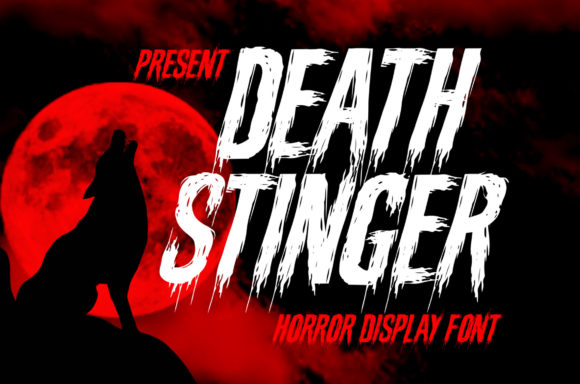
Death Stinger is not a standard sans-serif or serif typeface designed for body text. It is a display font, specifically crafted with a hand-lettered aesthetic that suggests organic imperfection, sharp edges, and a sense of age or decay. The name itself implies a certain lethality and precision, which is reflected in the glyph structures. Unlike geometric fonts that rely on mathematical perfection, hand-lettered fonts like Death Stinger often feature variable stroke widths, slight asymmetries, and textures that mimic the look of carved stone, scratched metal, or dried blood.
The distinctiveness of Death Stinger lies in its ability to convey narrative before a single word is read. For projects involving medieval fantasy, dark magic, or supernatural themes, the font acts as a visual shorthand. It signals to the viewer that the content is serious, perhaps dangerous, and rooted in a tradition of mythic storytelling. The letterforms are typically bold and commanding, making them highly effective for headlines where impact is prioritized over legibility at small sizes.
Key Characteristics
- Organic Texture: The edges are rarely perfectly smooth, providing a tactile quality that digital geometric fonts lack.
- High Contrast: Strong variations between thick and thin strokes create dynamic visual interest.
- Narrative Weight: The font carries inherent thematic weight, requiring less additional graphical embellishment to set a mood.
- Display-Only Nature: It is optimized for short bursts of text rather than long-form reading.
Ideal Applications and Use Cases
Because Death Stinger is a specialty font, its utility is concentrated in specific areas of design where atmosphere is paramount. Understanding these applications helps designers decide whether this tool fits their current workflow.
Branding and Logo Design
For brands operating in the gaming, entertainment, or alternative lifestyle sectors, a logo must stand out instantly. Death Stinger works exceptionally well for logos related to role-playing games (RPGs), heavy metal bands, horror-themed events, or fantasy novels. Its hand-lettered nature gives a brand a "crafted" feel, suggesting artisanal quality or historical depth. However, designers must be cautious; if the brand identity requires approachability or corporate trustworthiness, this font may introduce unintended aggression or confusion.
Editorial and Cover Design
In the publishing industry, book covers and magazine headers compete fiercely for attention. A novel cover featuring a dark fantasy title benefits significantly from the dramatic flair of Death Stinger. It allows the title to dominate the composition without needing excessive graphic overlays. Similarly, movie posters for horror or thriller genres can use this font to create an immediate sense of dread or anticipation. The font’s sharpness cuts through visual clutter, ensuring the message is received even from a distance.
Merchandising and Print-on-Demand
The rise of custom merchandise has created a demand for unique typography on t-shirts, mugs, pillows, and cards. Death Stinger is particularly popular in this space because it translates well to various materials. Whether printed on fabric, etched into wood, or embossed on leather, the font’s strong lines hold up against texture and distortion. For entrepreneurs creating niche products targeting fans of fantasy or horror, this font offers a cost-effective way to achieve a professional, genre-specific look without commissioning custom calligraphy.
Digital and Web Presence
While less common for body text, Death Stinger can enhance website blogs or landing pages for relevant industries. Used sparingly for section headers, pull quotes, or navigation buttons, it adds character to an otherwise sterile digital environment. However, web designers must consider load times and cross-browser rendering. Display fonts can sometimes render inconsistently across different devices, so testing is essential to ensure the "hand-lettered" details remain intact.
Comparing Death Stinger to Alternative Approaches
When evaluating Death Stinger, it is helpful to compare it against other typographic strategies. This comparison clarifies when to choose this specific font versus other options.
Hand-Lettered Fonts vs. Standard Serifs
Standard serif fonts (like Garamond or Baskerville) offer elegance and high readability but lack the raw energy of Death Stinger. If a project requires a sophisticated, literary, or academic tone, a traditional serif is the superior choice. Death Stinger, by contrast, brings chaos and intensity. It is better suited for creative, rebellious, or fantastical contexts. The tradeoff here is legibility: while serifs guide the eye smoothly through paragraphs, Death Stinger demands that the viewer pause and engage with each letterform.
Custom Calligraphy vs. Pre-Made Display Fonts
One might argue that hiring a calligrapher for a one-off logo would yield a more unique result than using a pre-made font like Death Stinger. While custom work offers exclusivity, it comes with higher costs and longer turnaround times. Death Stinger provides a scalable solution. Designers can manipulate kerning, spacing, and color to create unique compositions without the expense of bespoke lettering. For recurring projects, such as monthly magazine issues or seasonal product lines, the efficiency of a licensed font makes it a more practical economic decision.
Vector Graphics vs. Pure Typography
Sometimes, designers combine fonts with vector illustrations to create a logo. Death Stinger is robust enough to stand alone, reducing the need for additional graphical elements. In contrast, some weaker display fonts require heavy iconography to compensate for a lack of personality. By choosing a font with inherent strength, designers can keep their designs cleaner and more modern, adhering to minimalist trends while still maintaining a genre-specific vibe.
Limitations and Decision Factors
No single font is a universal solution. Recognizing the limitations of Death Stinger is crucial for making informed design decisions.
Legibility Constraints
Due to its stylized nature, Death Stinger should never be used for body copy, menus, or instructional text. Attempting to read long passages in this font causes eye strain and reduces comprehension. Designers must pair it with a neutral, highly readable sans-serif or serif for supporting text. This pairing strategy ensures that the aesthetic appeal does not compromise user experience.
Overuse and Cliché Risk
As with any popular genre font, there is a risk of visual cliché. If every fantasy game logo uses a similar jagged, blood-red font, the design loses its impact. To avoid this, designers should experiment with color palettes, layout techniques, and secondary fonts. Using Death Stinger in an unexpected context—such as a subtle watermark or a monochromatic accent—can help maintain freshness and avoid appearing generic.
Licensing and Commercial Rights
Before incorporating Death Stinger into commercial projects, it is vital to review the licensing agreement. Some hand-lettered fonts have restrictions on the number of impressions or types of merchandise allowed. Designers working with print-on-demand services must ensure their license covers unlimited production runs to avoid legal complications. Always verify whether the font is intended for personal use only or if a commercial license is required for client work.
Strategic Implementation Tips
To get the most out of Death Stinger, consider the following practical tips:
- Pairing: Combine it with clean, minimal fonts to create contrast. The complexity of Death Stinger needs simplicity to balance it.
- Kerning: Adjust spacing carefully. Hand-lettered fonts often have irregular shapes that can clash if letters are too close together.
- Color Psychology: While black and red are traditional choices for horror, experimenting with deep purples, forest greens, or metallic golds can differentiate your design.
- Texture Overlay: Adding subtle grunge textures or noise effects can enhance the aged look, but ensure they do not interfere with readability.
Conclusion
Death Stinger serves as a powerful asset for designers working within the horror and fantasy genres. Its hand-lettered aesthetic provides immediate atmospheric depth, making it ideal for logos, covers, and merchandise. However, its effectiveness depends on strategic application. By understanding its strengths in display usage and its limitations in body text, designers can leverage Death Stinger to create compelling, emotionally resonant visuals. When compared to standard typefaces or custom calligraphy, it offers a balanced middle ground of uniqueness, efficiency, and impact, provided that licensing and pairing considerations are handled with care.