Evaluating Herista: A Practical Guide to Using a Distinctive Display Typeface
Selecting the right typography is rarely just about readability; it is about establishing a visual voice before a single word is read. In the realm of graphic design, display fonts serve as the primary hook, capturing attention and setting the tone for posters, book covers, digital headers, and editorial layouts. Among the vast array of available typefaces, Herista has emerged as a compelling option for designers seeking a balance between modern coolness and approachable trendiness. This article provides an in-depth evaluation of Herista, examining its aesthetic characteristics, ideal use cases, and how it compares to broader categories of display typography.
Understanding the Aesthetic Identity of Herista
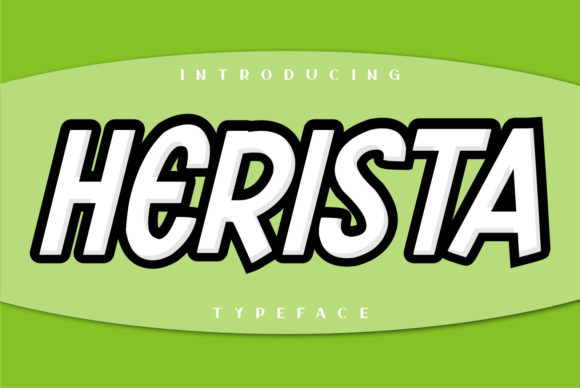
To determine if a font fits a project, one must first understand its visual personality. Herista is categorized as a cool and trendy-looking display font. The term "display" is critical here; it signifies that this typeface is designed to be used at large sizes where individual letterforms can be appreciated, rather than for dense body text where legibility over long passages is paramount.
The distinctiveness of Herista lies in its geometric yet playful construction. Unlike rigid, corporate sans-serifs that prioritize neutrality, or ornate serifs that evoke tradition, Herista occupies a middle ground. It often features clean lines and rounded terminals that give it a friendly, contemporary feel. This "cool" factor is not achieved through complexity but through simplicity and confidence. The letters are structured to stand out without shouting, making them versatile for brands that want to appear modern, youthful, and accessible.
When you apply Herista to a design, the immediate effect is one of curated casualness. It suggests a brand or project that is up-to-date with current design trends—such as minimalism mixed with retro influences—without feeling dated. For adults aged 20–50 who are navigating a market saturated with generic templates, Herista offers a way to inject personality into a layout while maintaining professional polish.
Ideal Use Cases and Application Scenarios
Not every font works for every medium. Understanding where Herista shines helps designers avoid common pitfalls, such as using a decorative font for small print or body copy. Based on its structural integrity and visual weight, Herista is particularly well-suited for specific high-impact applications.
Posters and Event Graphics
One of the strongest use cases for Herista is in poster design. Whether for a music festival, a local community event, or a product launch, the font’s trendy aesthetic grabs attention from a distance. Its bold presence ensures that headlines remain legible even when viewed quickly or from afar. The cool vibe aligns well with cultural events, art exhibitions, and lifestyle marketing campaigns where the goal is to evoke emotion and interest.
Children’s Books and Educational Materials
While often associated with adult-oriented branding, Herista’s friendly curves make it an excellent choice for children’s content. In children’s books, school projects, and educational comics, the font’s approachable nature helps lower the barrier to entry for young readers. It does not feel intimidating like overly stylized gothic or script fonts might. Instead, it invites engagement. Teachers and parents looking for resources that look fun but remain organized will find Herista to be a practical tool for creating engaging worksheets, book titles, and classroom displays.
Comics and Graphic Novels
In the world of comics, typography plays a crucial role in defining the narrative pace and character voice. Herista’s dynamic structure allows it to convey energy without sacrificing clarity. When used for speech bubbles, sound effects, or chapter titles, it adds a layer of visual storytelling that complements the artwork. Its modern look ensures that comic designs do not feel stuck in the past, appealing to both younger audiences and nostalgic adult readers.
Book Titles and Editorial Headers
For self-publishers and traditional authors alike, the cover is the most important sales tool. Herista serves as a strong candidate for book titles, especially in genres like contemporary fiction, memoirs, and lifestyle guides. The font’s ability to look both trendy and timeless means it can age well on a bookshelf. Similarly, in digital media, it works exceptionally well for blog post headers, newsletter subject lines, and social media graphics where space is limited but impact needs to be high.
Comparative Analysis: Herista vs. Other Display Options
When evaluating Herista, it is helpful to place it in context against other common typographic approaches. This comparison aids in decision-making by highlighting tradeoffs and specific fit scenarios.
Herista vs. Traditional Serif Fonts
Traditional serif fonts (like Garamond or Baskerville) convey authority, history, and formality. They are often the default choice for literary novels or academic papers. In contrast, Herista rejects this gravitas in favor of accessibility and modernity. If your project requires a sense of heritage or seriousness, Herista may feel too casual. However, if you are trying to appeal to a younger demographic or create a more relaxed reading experience, Herista outperforms stiff serifs by bridging the gap between content and viewer.
Herista vs. Handwritten Script Fonts
Script fonts are popular for adding a personal, human touch to designs. However, they often suffer from poor legibility, especially at smaller sizes or in complex layouts. Herista offers a similar sense of style and uniqueness but with superior readability. Its structured letterforms ensure that messages are communicated clearly, reducing the cognitive load on the reader. For designers who want the flair of a custom hand-lettered look without the risk of unreadability, Herista is a safer, more functional alternative.
Herista vs. Geometric Sans-Serifs
Geometric sans-serifs (like Futura or Montserrat) are clean, neutral, and widely used in tech and corporate branding. While highly legible, they can sometimes feel cold or impersonal. Herista shares the clean lines of geometric fonts but introduces subtle quirks and trends that make it feel warmer. It is less utilitarian than a standard sans-serif, making it better suited for creative industries, fashion, and lifestyle brands that need to differentiate themselves from the sea of minimalist tech logos.
Tradeoffs and Limitations
No typeface is a universal solution. Recognizing the limitations of Herista is essential for responsible design.
- Legibility at Small Sizes: As a display font, Herista is not intended for body text. Using it for paragraphs or fine print will result in eye strain and reduced comprehension. It should always be paired with a highly readable neutral font for longer texts.
- Trend Dependency: Because Herista is described as "trendy," there is a risk that its style may feel dated as design trends shift. Designers should consider whether the project requires a long-term brand identity or a short-term campaign. For enduring logos, a more classic typeface might be wiser.
- Contextual Fit: The cool, casual vibe of Herista may clash with industries requiring strict professionalism, such as law, finance, or healthcare compliance documents. In these fields, trust and clarity are prioritized over trendiness.
Decision Factors: When to Choose Herista
Ultimately, the choice to use Herista depends on the specific goals of your project. Consider the following checklist to evaluate its suitability:
- Target Audience Age: Is your audience comfortable with modern, informal aesthetics? Herista resonates well with millennials and Gen Z, but may feel too casual for older, conservative demographics.
- Medium of Distribution: Will the text be viewed primarily on screens or in print at large sizes? Herista excels in both digital headers and physical posters but fails in dense text blocks.
- Brand Personality: Does your brand value innovation, playfulness, and approachability? If so, Herista aligns with those values. If your brand values tradition, stability, and formality, look elsewhere.
- Visual Hierarchy: Do you need a font that acts as a headline anchor? Herista is designed to draw the eye. If you need a background texture or supporting text, choose a simpler typeface.
Conclusion
Herista represents a thoughtful intersection of style and function in the world of display typography. By offering a cool, trendy appearance that remains readable and versatile, it provides designers with a powerful tool for enhancing visual communication. Whether applied to the vibrant pages of a children’s book, the bold headlines of a summer festival poster, or the sleek titles of a digital comic, Herista brings a distinct character to the table.
However, effective design relies on restraint and appropriateness. Herista is not a replacement for body text, nor is it suitable for every industry. By understanding its strengths in display contexts and respecting its limitations, designers can leverage Herista to create impactful, memorable, and aesthetically pleasing work. For those exploring alternatives, comparing Herista against traditional serifs, scripts, and geometric sans-serifs reveals its unique position as a modern, approachable, and stylish choice for contemporary design challenges.