Happy Brush: A Strategic Approach to Premium Typography in Brand Identity
In the landscape of visual communication, typography is rarely just about readability; it is a primary vehicle for brand personality. For entrepreneurs, designers, and creative professionals seeking to elevate their projects beyond standard templates, selecting the right typeface is a critical decision-making step. Happy Brush emerges as a distinct solution in this space—a quirky premium font designed to inject character, sophistication, and a human touch into diverse design applications.
This analysis explores how Happy Brush can be strategically integrated into branding, product packaging, and digital assets. By understanding its specific aesthetic qualities and appropriate use cases, creators can make informed decisions that enhance customer experience and support long-term business goals.
Defining the Aesthetic Value of Happy Brush
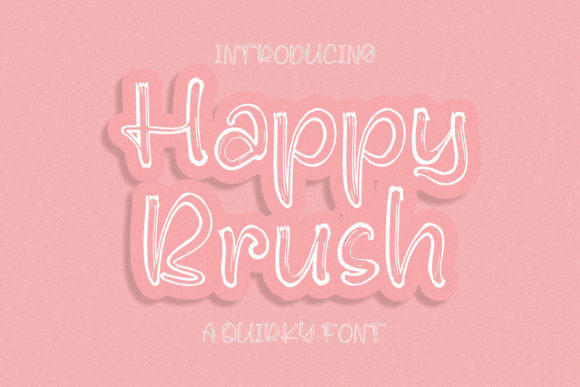
To utilize any design asset effectively, one must first understand its inherent characteristics. Happy Brush is not a rigid, geometric sans-serif nor a traditional serif. Instead, it occupies a niche that blends the organic flow of brush strokes with a polished, premium finish. This duality makes it particularly suitable for projects that require a "signature taste"—a sense of handcrafted authenticity within a professional framework.
The font’s quirky nature suggests creativity and approachability, while its premium classification ensures it does not appear amateurish or casual in a negative way. When applied correctly, Happy Brush communicates several key messages:
- Authenticity: The brush-like quality implies human effort and care, resonating with consumers who value artisanal or bespoke products.
- Elegance: Despite its playful origins, the premium rendering allows it to function in luxury contexts where simplicity and style are paramount.
- Memorability: In a saturated market, a distinctive typographic voice helps brands stand out. Happy Brush offers immediate visual differentiation from ubiquitous default fonts.
For freelancers and small business owners, leveraging such a distinctive asset can be a low-cost, high-impact strategy to improve brand positioning without requiring extensive rebranding efforts.
Strategic Applications Across Business Functions
The versatility of Happy Brush allows it to serve multiple functions across different stages of business operations, from initial marketing to final product delivery. Below are key areas where this font can drive better results when used intentionally.
Branding and Logo Design
A logo is the cornerstone of brand identity. Using Happy Brush for a logo requires careful consideration of scale and context. It is best suited for brands that wish to project warmth, creativity, or exclusivity. Consider a boutique coffee roaster, a handmade jewelry designer, or a creative agency. In these contexts, the font acts as a visual promise of quality and uniqueness. However, for corporate entities focused on stability and tradition, this font may introduce unwanted ambiguity. Decision-makers must align the font’s personality with the company’s core values before committing to its use in primary branding elements.
Product Packaging and Homeware
Packaging is often the first physical interaction a customer has with a brand. Here, Happy Brush excels in creating an emotional connection. Whether designing labels for artisanal foods, watermarks for photography portfolios, or designs for mugs and t-shirts, the font adds a layer of perceived value. It transforms generic items into branded experiences. For example, a greeting card or invitation featuring Happy Brush feels more personal and curated than one using a standard typeface. This attention to detail supports a premium pricing strategy by signaling that the creator has invested thought into every aspect of the product.
Digital Marketing and Content Creation
In the digital realm, attention spans are short. Visual hierarchy is essential for guiding the reader’s eye. Happy Brush can be employed strategically for headlines, pull quotes, or call-to-action buttons where emphasis is needed. Its quirky nature grabs attention, but it should be balanced with highly legible body text (such as a clean sans-serif) to ensure readability. Bloggers and publishers can use it to break up monotony in long-form content, adding visual interest without compromising user experience. This balance between engagement and usability is crucial for maintaining audience retention.
Planning for Long-Term Consistency
Adopting a new font is not merely an aesthetic choice; it is an operational decision that affects consistency across all touchpoints. To maximize the benefits of Happy Brush, businesses and creators should develop a clear usage plan.
- Define Usage Guidelines: Establish clear rules for when and how to use the font. Will it be used for headings only? Can it be used for body text? What colors pair well with it? Documenting these choices prevents inconsistent application that can dilute brand recognition.
- Pairing Strategy: Happy Brush works best when paired with complementary typefaces. A neutral, structured font can provide a stable foundation, allowing Happy Brush to shine as an accent. This combination creates a sophisticated contrast that enhances overall design harmony.
- Scalability Testing: Before finalizing designs, test the font at various sizes and resolutions. Ensure that the intricate details of the brush strokes remain visible and legible on mobile devices, social media avatars, and printed materials. Poor scalability can undermine the premium feel the font aims to convey.
Risks and Mitigation Strategies
While Happy Brush offers significant advantages, relying on it without strategic oversight carries risks. The primary danger is overuse. Because the font is visually strong and distinctive, applying it to large blocks of text or too many elements within a single design can create visual clutter and fatigue. This leads to a chaotic appearance that confuses rather than engages the audience.
Another risk is misalignment with brand tone. If a brand’s mission statement emphasizes efficiency, speed, or technical precision, a quirky, hand-drawn style font may send mixed signals. In such cases, the font might be perceived as unprofessional or frivolous. To mitigate this, leaders must conduct a honest audit of their brand voice. Does the current messaging support a playful yet premium aesthetic? If not, consider reserving Happy Brush for secondary communications, such as seasonal campaigns or limited-edition products, rather than core brand identity.
Additionally, copyright and licensing issues must be addressed. As a premium font, Happy Brush likely requires a specific license for commercial use. Entrepreneurs and freelancers must ensure they purchase the correct rights to avoid legal complications. Ignoring these administrative details can jeopardize projects and damage professional reputation. Always verify licensing terms before integrating the font into client work or commercial products.
Enhancing Customer Experience Through Design
Ultimately, the goal of using Happy Brush—or any design tool—is to improve the customer experience. Thoughtful typography influences how customers perceive quality, trust, and value. When a customer sees a name card, shopping bag, or book cover featuring a well-chosen, premium font like Happy Brush, they subconsciously associate those qualities with the product inside.
This association is powerful for small business owners and hobbyists looking to compete with larger corporations. By investing in high-quality design assets, they signal that they care about details. This care translates into perceived reliability and excellence. For educators and trainers, using such fonts in presentation materials or course materials can make learning resources feel more engaging and less sterile, potentially improving student engagement and information retention.
Conclusion: Making Intentional Choices
Happy Brush is more than just a decorative element; it is a strategic tool for communication. Its unique blend of quirkiness and premium quality makes it ideal for projects that need to stand out while maintaining a sense of sophistication. From logos and branding to homeware and digital marketing, its applications are wide-ranging.
However, success depends on intentionality. Creators and business owners must approach Happy Brush with a clear plan, understanding its strengths, limitations, and appropriate contexts. By balancing visual appeal with functional clarity and aligning the font with broader business goals, users can leverage this asset to achieve better results. Whether you are launching a new venture, refreshing an existing brand, or creating a special event invitation, choosing Happy Brush wisely can add a signature taste that resonates with your audience and supports your long-term objectives.
Remember, good design is not about using every available tool, but about using the right tools for the right purpose. Happy Brush deserves a place in your toolkit, provided it is deployed with strategic foresight and respect for its unique character.