Ohayôu: A Unique Japanese-Style Display Font for Personalized Design Projects
Typography plays a crucial role in design, influencing how messages are perceived and experienced. With the rise of digital content creation and personal branding, the demand for distinctive fonts has grown significantly. Among these, Ohayôu stands out as a superb display font crafted in a traditional Japanese style. This elegant and expressive typeface is ideal for any project that requires a unique, personalized look. Whether you're an artist, educator, business owner, or hobbyist, Ohayôu offers a compelling blend of cultural inspiration and technical flexibility.
The Essence of Ohayôu
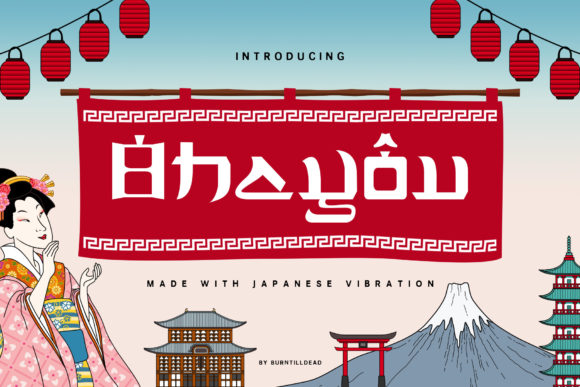
Ohayôu, which means "good morning" in Japanese, is more than just a name—it reflects the font's spirit of warmth and clarity. Designed with attention to detail, this font captures the fluidity and grace of calligraphy while maintaining the structural integrity needed for modern design applications. Its characters have a soft, rounded appearance that exudes friendliness, making it particularly suitable for greeting cards, logos, invitations, and creative branding materials.
Japanese Influence in Modern Typography
Japanese typography often combines functionality with artistry. Fonts like Ohayôu embody this duality by offering both aesthetic appeal and readability. The brush-like strokes and subtle variations in weight give the font a handcrafted feel, reminiscent of traditional ink writing styles. At the same time, its clean lines and well-balanced proportions ensure that it remains legible even at smaller sizes or on digital screens.
Technical Advantages of Ohayôu
One of the standout features of Ohayôu is its PUA encoding. PUA (Private Use Area) allows designers to access special glyphs, ligatures, and swashes without needing advanced knowledge of font technology. This makes Ohayôu especially user-friendly for those who want to incorporate decorative elements into their work but may not be familiar with complex font settings. By simply using a glyph palette or character map, users can enhance their text with unique flourishes and stylistic alternates.
Accessibility and Compatibility
Thanks to its thoughtful encoding, Ohayôu is compatible with most major design software such as Adobe Illustrator, Photoshop, InDesign, and even some web-based tools. This broad compatibility ensures that creators across different platforms can take full advantage of the font’s capabilities. Additionally, the font supports a wide range of characters, including accented letters and symbols, making it versatile for international use.
Use Cases for Ohayôu
The adaptability of Ohayôu makes it a valuable asset in various design contexts. Below are several scenarios where this font shines:
- Graphic Design Projects: Ideal for posters, flyers, and social media graphics that need a touch of elegance and cultural flair.
- Logo Creation: Businesses looking to establish a warm, inviting brand identity can benefit from Ohayôu's soft curves and expressive form.
- Wedding Invitations: The font's graceful style suits romantic themes, adding a sense of intimacy and sophistication to stationery.
- Branding Materials: From packaging to website headers, Ohayôu helps create cohesive and memorable visual identities.
- Artistic Illustrations: Artists and illustrators can integrate the font into their compositions for a harmonious blend of text and imagery.
Real-World Examples
Consider a small café that wants to stand out in a competitive market. Using Ohayôu in their signage and promotional materials gives them a distinct, welcoming vibe that aligns with their cozy atmosphere. Similarly, a craft blogger might use the font to add personality to their tutorials, helping to build a recognizable style across all their content.
Why Choose Ohayôu Over Other Display Fonts?
In a landscape filled with countless display fonts, Ohayôu distinguishes itself through a combination of beauty, usability, and uniqueness. Unlike many fonts that prioritize either style or function, Ohayôu manages to do both effectively. Its Japanese-inspired design adds a layer of authenticity and charm that is hard to replicate with generic sans-serif or serif alternatives.
Moreover, the availability of glyphs and swashes empowers users to customize their designs further. This level of customization is essential for professionals who seek to differentiate their work and for hobbyists who enjoy the creative process. Whether you're designing a logo for a startup or creating a handmade card for a loved one, Ohayôu provides the tools necessary to achieve a polished, personalized result.
Comparisons and Alternatives
While there are other Japanese-style fonts available, many lack the accessibility and ease of use that Ohayôu offers. For instance, fonts with similar brush-stroke aesthetics often require OpenType features or manual adjustments to access alternate characters. Ohayôu simplifies this process by leveraging PUA encoding, allowing users to focus more on creativity and less on technical hurdles.
Additionally, compared to standard script fonts, Ohayôu brings a fresh perspective with its cultural roots. It doesn’t just mimic handwriting; it channels the essence of Japanese calligraphy, providing a unique visual experience that resonates with audiences seeking something beyond the ordinary.
Practical Tips for Using Ohayôu
To get the most out of Ohayôu, consider the following best practices:
- Layering and Text Effects: Combine Ohayôu with subtle textures or gradients to enhance its visual impact without overwhelming the design.
- Contrast with Simpler Fonts: Use Ohayôu as a headline or accent font, pairing it with a more neutral typeface for body text to maintain readability.
- Experiment with Glyphs: Explore the special characters and swashes included in the font to find the perfect match for your project’s tone and theme.
- Optimize for Digital Displays: When using Ohayôu online, ensure that the font size is large enough to showcase its intricate details clearly.
- Stay Mindful of Legibility: While Ohayôu is beautiful, its stylized nature means it may not be suitable for long paragraphs or dense text blocks.
Design Workflows and Tools
Integrating Ohayôu into your workflow is straightforward. Most design programs allow for easy installation and previewing of PUA-encoded characters. If you're working in web design, you can also use Ohayôu via @font-face embedding, provided the font license permits such usage. Always check the licensing terms before deploying the font in commercial projects.
Creative Possibilities with Ohayôu
The versatility of Ohayôu opens up numerous creative avenues. Here are a few ways to leverage its unique qualities:
- Create custom greeting cards with hand-drawn sentiments enhanced by Ohayôu’s elegant script.
- Develop branding for wellness or lifestyle businesses, where a calming and artistic font complements the overall message.
- Enhance educational materials by incorporating visually engaging headings or titles that reflect the subject matter’s tone.
- Design motivational posters or quotes that benefit from a bold yet approachable typographic style.
- Use it in social media content to catch attention and convey a friendly, professional image.
Observations on Audience Reception
Fonts serve as a silent communicator, and Ohayôu’s reception among diverse audiences has been overwhelmingly positive. Educators appreciate its ability to make learning materials more engaging, while hobbyists love the opportunity to infuse their crafts with a personal touch. Business owners have noted that the font helps convey trust and approachability—qualities that are essential in today’s customer-centric markets.
Current Trends and Relevance
As global design trends continue to embrace cultural diversity and authenticity, fonts like Ohayôu are becoming increasingly popular. The trend toward minimalism in design hasn't diminished the value of expressive typography; instead, it has highlighted the importance of choosing fonts that carry meaning and personality. Ohayôu fits seamlessly into this trend by offering a refined, culturally rich option for designers who want to go beyond the basics.
Evolving Typographic Preferences
Recent studies indicate that users are more likely to engage with content that features visually appealing and unique fonts. Ohayôu meets this growing expectation by combining traditional aesthetics with modern usability. As more brands and individuals seek to express individuality through design, the relevance of fonts like Ohayôu will only continue to expand.
Key Considerations Before Using Ohayôu
Before incorporating Ohayôu into your projects, it’s important to understand its limitations and best practices:
- Licensing: Ensure that you have the appropriate license for the intended use, whether it's for print, web, or commercial purposes.
- Font Pairing: Avoid pairing Ohayôu with overly decorative or contrasting fonts, as this can lead to visual clutter.
- Color Choices: Experiment with color combinations to highlight the font’s nuances—soft pastels or deep earth tones often work well.
- Scale and Spacing: Adjust letter spacing and line height to accommodate the font’s organic shape and improve readability.
- Contextual Suitability: Evaluate whether the font’s style aligns with the tone and purpose of your project. It’s best suited for short texts rather than lengthy documents.
Testing and Iteration
Like any design element, the effectiveness of Ohayôu depends on context. It’s wise to test the font in different environments—such as print versus screen—and with varying background colors or images. This iterative process ensures that the font enhances rather than detracts from the overall design.
Conclusion
Ohayôu is more than just a font—it’s a bridge between tradition and innovation, offering a stylish yet practical solution for designers across disciplines. Its Japanese-inspired design, coupled with the ease of accessing special glyphs through PUA encoding, makes it a powerful tool for anyone looking to add a personal touch to their creations. By understanding its characteristics and limitations, users can harness Ohayôu’s potential to elevate their work and connect with their audience in meaningful ways.