Soundgarden: A Stylish Display Typeface for Modern Creative Workflows
Fonts play a crucial role in design, influencing the tone, readability, and visual appeal of any project. When it comes to display typography—used for headlines, logos, posters, and other attention-grabbing elements—choosing the right typeface can make all the difference. Soundgarden is a display typeface that stands out for its unique blend of modernity, psychedelic aesthetics, and natural beauty. Whether you're working on branding materials, event invitations, or digital content, Soundgarden offers a stylish yet versatile option that enhances your creative output.
What Is Soundgarden?
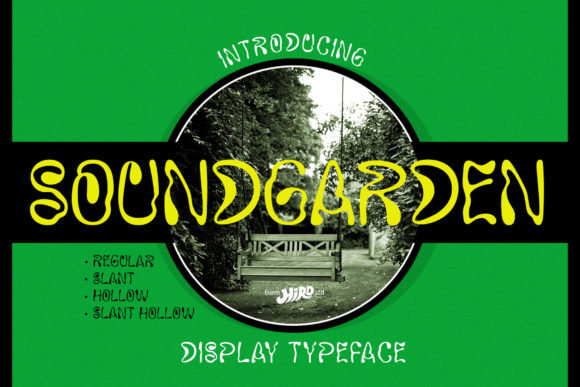
Soundgarden is a custom display font designed with creativity at its core. It combines bold, expressive letterforms with subtle organic curves and a vibrant energy reminiscent of psychedelic art. Unlike standard sans-serif or serif fonts, Soundgarden is crafted specifically for large-scale usage where impact and personality matter most. Its stylized appearance makes it ideal for use in poster designs, website headers, social media visuals, and more.
The name “Soundgarden” references both the band known for their grunge influence and the idea of cultivating sound and style. This dual meaning reflects the font’s purpose: to create a strong visual identity that resonates with audiences just like great music does.
Where Does Soundgarden Fit Into Your Workflow?
Integrating Soundgarden into your workflow depends largely on the nature of your project. For designers, marketers, and content creators, this font is best used in pre-production planning when choosing brand assets or during the execution phase when finalizing layouts. Here's how it can be strategically applied:
- Branding Projects: Use Soundgarden as a primary or secondary font in logo creation, taglines, and promotional materials. Its distinct character helps brands stand out while maintaining a sense of sophistication.
- Event Design: From concert posters to festival banners, Soundgarden brings an energetic vibe that aligns perfectly with events in the arts, music, and wellness sectors.
- Social Media Content: The font works well for eye-catching Instagram posts, Facebook event pages, or Twitter threads that require a modern yet artistic touch.
- Web Development: Incorporate it into website headers or call-to-action buttons to add visual interest without compromising legibility.
- Print Materials: Whether it's wall art, t-shirts, or packaging, Soundgarden ensures your message is delivered with style and clarity.
Preparation Before Using Soundgarden
Before integrating Soundgarden into your projects, consider the following preparation steps to ensure it complements your overall design strategy:
- Understand the Project Context: Evaluate whether the font’s psychedelic and modern traits align with your audience and message. It may not be suitable for formal reports but excels in creative environments.
- Test Compatibility: Ensure the font works across different platforms (Windows, macOS) and software (Adobe Creative Suite, Canva, Figma). Downloading the font from a reliable source will help avoid issues later on.
- Review Pairing Options: Soundgarden pairs well with minimalist sans-serif fonts for body text. Think about how it interacts with supporting typefaces to maintain visual harmony.
- Consider Accessibility: While visually striking, always test the contrast and readability of Soundgarden in various color schemes and background textures to meet accessibility standards.
Practical Implementation Tips
To get the most out of Soundgarden, follow these practical tips tailored to common use cases:
For Poster and Event Design
Use Soundgarden for main titles or featured quotes to draw attention. Pair it with a clean, readable font such as Montserrat or Lato for subheadings and body copy. When designing for print, ensure the font is embedded or converted to outlines to prevent missing characters.
In Digital Marketing and Social Media
Leverage the font for high-impact headlines in campaigns or branded hashtags. It can also enhance visual storytelling by adding a unique flair to carousel posts or video intros. However, limit its use to short texts due to its decorative nature.
For Web and App Interfaces
While not ideal for long-form reading, Soundgarden can be used effectively for hero sections, navigation menus, or feature titles. Apply it sparingly and pair with a complementary system font to maintain performance and usability. Also, optimize the font file for web use (WOFF or WOFF2 formats) to reduce load times.
With Creative Branding Tools
If you're using tools like Adobe Illustrator, Photoshop, or InDesign, Soundgarden integrates seamlessly. You can layer it with gradients, textures, or overlays to enhance its psychedelic qualities. For online platforms like Canva or Figma, check if the font is available directly or upload it via the custom font option.
Workflow Integration Examples
Here are a few examples of how Soundgarden can be integrated into real-world workflows:
Example 1: Music Festival Poster Creation
Step 1: Choose a theme that reflects the festival’s vibe—perhaps something retro-futuristic or nature-inspired.
Step 2: Select Soundgarden for the main headline and experiment with spacing and alignment to highlight its dynamic form.
Step 3: Add supporting details in a neutral font and incorporate psychedelic graphics or natural motifs like plants or watercolor textures.
Step 4: Print or export the design for digital distribution, ensuring the font remains intact and visible on all devices.
Example 2: Launching a New Product Line
Phase 1 – Planning: During the initial brainstorming session, decide on the product’s visual identity. Consider how Soundgarden might represent the brand’s innovative or artistic side.
Phase 2 – Execution: Apply the font to landing page headers, email subject lines, and packaging mockups. Test variations in uppercase and lowercase forms to see which feels more impactful.
Phase 3 – Feedback & Iteration: Gather feedback from stakeholders and users. If the font isn’t resonating, adjust the color palette or find a similar alternative.
Phase 4 – Long-Term Use: Once approved, document the font usage guidelines and include them in your brand style guide to maintain consistency across future campaigns.
Example 3: Personal Artistic Projects
Whether you're creating personal art prints or experimenting with typography in your portfolio, Soundgarden can serve as a signature element. Combine it with hand-drawn illustrations or abstract backgrounds to amplify its psychedelic effect. Save multiple versions in different weights or styles (if available) for varied applications.
Factors to Consider for Effective Use
When incorporating Soundgarden into your work, keep the following factors in mind to maximize its effectiveness:
- Usability: While it’s visually appealing, avoid overusing it in small sizes or dense paragraphs. Reserve it for key messages where it can shine.
- Consistency: Define clear rules for when and how the font is used. Consistency helps build brand recognition and reduces visual clutter.
- Efficiency: Use font management tools like FontBase or Suitcase Fusion to organize your typefaces and streamline access during busy design phases.
- Quality Control: Always proofread designs using Soundgarden to catch any spacing or kerning issues. These can be more pronounced in stylized fonts.
- Long-Term Value: Assess whether the font supports your evolving brand identity. Some display fonts age quickly, so choose one that has staying power.
Enhancing Collaboration with Soundgarden
When working in teams, especially those involving clients or cross-functional members, transparency around font choices is essential. Share the Soundgarden font with collaborators through cloud-based font libraries or package it within design files. Make sure everyone understands its intended use and limitations. This helps prevent misalignment in the final deliverables and ensures smooth collaboration across graphic design, marketing, and development departments.
Best Practices for Team Environments
- Set Clear Guidelines: Document the font’s use in your team’s style guide, including recommended colors, sizes, and contexts.
- Provide Access: Use platforms like Google Fonts, Adobe Fonts, or private font servers to give team members instant access.
- Train New Members: Offer quick tutorials or resources explaining how to install and apply Soundgarden correctly in their preferred software.
- Monitor Usage: Periodically review published content to ensure the font is being used appropriately and consistently.
Why Soundgarden Stands Out
Many display fonts either lean too heavily into nostalgia or come off as overly futuristic. Soundgarden finds a balance between these extremes, offering a contemporary look with a hint of retro charm. Its natural curves and psychedelic undertones allow it to adapt to a wide range of themes—from tech startups to wellness retreats.
Another benefit is its ease of use. Unlike highly experimental or script fonts that require careful adjustment, Soundgarden maintains a level of simplicity that allows even novice designers to achieve professional results. This makes it accessible for small businesses, independent artists, and solo entrepreneurs who need a powerful visual tool without a steep learning curve.
Comparison with Other Display Fonts
Compared to fonts like Bebas Neue or Lobster, Soundgarden offers a more refined and intentional aesthetic. It avoids the chaotic feel often associated with psychedelic typefaces while still delivering the visual punch needed to capture attention. This makes it particularly useful in scenarios where you want to evoke emotion or curiosity without overwhelming the viewer.
Final Thoughts on Soundgarden
Soundgarden is more than just another display font—it’s a strategic asset in creative workflows. By understanding its strengths and limitations, you can leverage it to elevate your projects, whether they’re digital or print-based. As with any design element, thoughtful implementation and consistent application are key to success.
Ready to bring some style and substance to your next project? Grab Soundgarden now and start experimenting with its bold, modern, and slightly trippy vibes. With the right approach, it can become a defining part of your visual language.