Understanding the Judger Font: A Bold Choice for Modern Design
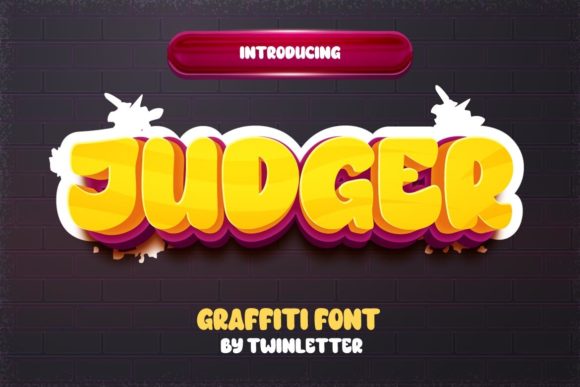
The Judger font is a striking display typeface that has captured the attention of designers, artists, and brands alike. With its thick lettering and graffiti-styled characteristics, this font brings an edgy yet bold aesthetic to any visual project it graces. Originally designed with street culture in mind, Judger has evolved into a versatile tool for modern graphic design across various industries—from fashion and advertising to branding and digital media.
What Makes Judger Unique?
Judger stands out due to its distinctive combination of thick strokes and a graffiti-inspired feel. This gives it a raw, urban energy while maintaining enough structure to be readable when used appropriately. Unlike more traditional fonts, which often focus on legibility for long-form text, Judger is crafted to make an impact at a glance. Its irregular edges and dynamic letterforms are reminiscent of hand-painted murals or spray-painted tags, making it ideal for projects that aim to convey strength, attitude, or a rebellious spirit.
Thick Lettering and Visual Impact
The thickness of each character in Judger contributes significantly to its visual dominance. Thick letters tend to draw the eye immediately and hold attention longer than thinner counterparts. In environments where visibility is key—such as large billboards, T-shirt designs, or signage—this quality ensures that the message doesn’t get lost in the background.
Moreover, the bold nature of the font allows it to work effectively in both high-contrast and monochrome settings. Whether printed in black on white or colored against a dark backdrop, Judger maintains its presence and readability, which is essential for effective communication in design.
Graffiti Style and Cultural Influence
Graffiti-style fonts like Judger have their roots in the expressive world of street art. These fonts reflect the creativity and spontaneity found in graffiti culture, where messages are often conveyed through style, color, and form rather than just words. The use of such fonts in mainstream design helps bridge the gap between underground aesthetics and commercial applications.
This crossover is particularly relevant today, as many consumers are drawn to brands that embrace authenticity and cultural relevance. By using a font like Judger, designers can tap into that trend and create visuals that resonate with audiences who appreciate urban and contemporary styles.
Where Can You Use the Judger Font?
Judger’s bold personality makes it suitable for a wide range of design applications. Below are some of the most common and impactful uses of this font:
- T-Shirt Designs: The font’s strong presence works well on fabric, especially when paired with minimal graphics or large-scale prints.
- Sportswear: Athletes and sports brands often look for fonts that exude power and confidence. Judger fits this need perfectly.
- Logos and Branding: For businesses aiming to communicate strength, youthfulness, or rebellion, Judger can serve as a powerful typographic choice.
- Advertorials and Posters: The font’s ability to stand out makes it excellent for headlines or taglines in promotional materials.
- Clothing Labels and Packaging: From skateboard decks to hip-hop apparel, the font adds a sense of edge and individuality.
- Digital Content and Social Media: On platforms like Instagram, TikTok, or YouTube, where first impressions matter, Judger can help your content pop.
Designing with Judger: Tips and Best Practices
To ensure your design looks professional and impactful when using the Judger font, consider the following best practices:
- Use Sparingly: While Judger is visually arresting, overuse can lead to clutter. It's best suited for headlines, logos, or short bursts of text.
- Pair with Complementary Fonts: To maintain balance in your design, pair Judger with a simpler, sans-serif or serif font for body text. This contrast will enhance readability and visual hierarchy.
- Play with Color and Backgrounds: Since the font is inspired by graffiti, experimenting with vibrant colors and textured backgrounds can amplify its effect. Consider using gradients, neon effects, or even simulated spray paint textures for added flair.
- Adjust Spacing and Scale: Due to the font’s heavy weight and stylized features, adjusting the spacing (kerning) and scale can improve its appearance and legibility, especially in smaller sizes.
- Ensure Legibility: While the graffiti style is appealing, always test how the font appears in different sizes and on different devices. Avoid using it for long paragraphs or fine print.
The Role of Display Fonts in Modern Design
In the ever-evolving world of design, the importance of choosing the right font cannot be overstated. Display fonts, like Judger, are specifically created for headlines, titles, and other prominent text elements rather than for extended reading. They allow designers to express emotion, tone, and personality through typography.
Modern design trends increasingly favor fonts that reflect individuality and brand identity. As consumers become more visually discerning, they gravitate toward designs that tell a story or evoke a specific feeling. Judger, with its graffiti influence, speaks to those looking for a bold statement in their visual communication.
Why Choose a Graffiti-Styled Font?
Graffiti-styled fonts offer several advantages:
- Uniqueness: These fonts are less commonly used in formal contexts, making them a great way to stand out from the competition.
- Emotional Resonance: They can convey a sense of rebellion, freedom, or raw energy—qualities that appeal to younger audiences and niche markets.
- Visual Hierarchy: Their boldness naturally draws attention, helping to establish focal points within a design layout.
- Memorability: Because of their unconventional shapes and structures, graffiti-styled fonts are often more memorable than standard typefaces.
Practical Relevance Across Industries
Fonts like Judger are not just artistic choices—they play a crucial role in shaping how a brand or product is perceived. Let’s explore how this font fits into various sectors:
Fashion and Apparel
In the fashion industry, especially within streetwear and sportswear, typography is a key component of the overall brand image. Judger can be used to create eye-catching labels, slogans, and garment prints. Its graffiti style aligns well with brands that want to project a laid-back yet powerful vibe.
For example, a clothing line targeting urban youth might use Judger for a logo or tagline to connect with its audience’s cultural references and values.
Advertising and Marketing
Marketers understand the value of grabbing attention quickly. In print and digital advertisements, Judger can be used to highlight key phrases or calls to action. Its thick lettering ensures that these elements remain visible even from a distance or on small screens.
Additionally, the font’s edgy look can complement products or services that target a younger demographic, such as music festivals, gaming events, or lifestyle brands.
Graphic Design and Branding
Graphic designers often experiment with typefaces to find one that matches the client’s vision. Judger is perfect for clients seeking a modern, youthful, and daring brand identity. When designing posters, event flyers, or promotional banners, this font can add a unique layer of visual interest and emotional depth.
Education and Creative Projects
Even in educational settings, typography plays a role in engagement. Students and educators involved in creative writing, art classes, or multimedia projects can use Judger to add a stylistic element to presentations, infographics, or digital stories.
Its graffiti style also makes it a popular choice among digital artists who want to incorporate text into illustrations or digital collages without compromising the artwork’s visual integrity.
Common Misconceptions About Display Fonts
While Judger and similar display fonts are incredibly useful, there are some common misconceptions about their application. Here are a few things to keep in mind:
- Display Fonts Are Only for Large Text: Although they excel in larger formats, some can still be used effectively in smaller sizes if the design context supports it.
- They Lack Professionalism: This isn't always true. Many successful brands use bold, unconventional fonts to build a distinct identity. The key is using them appropriately and consistently.
- They’re Hard to Read: While some display fonts may sacrifice readability, others—like Judger—are designed with clarity in mind. Just ensure you're using them for the right purpose.
- Only Used in Digital Media: Display fonts are equally valuable in print. Their visual impact translates well across mediums, provided the resolution and formatting are correct.
Balancing Style and Functionality
One of the biggest challenges when working with display fonts is finding the right balance between style and functionality. Too much emphasis on style can compromise legibility, while too little can result in a bland design. The trick is knowing when and where to apply the font so it enhances the message rather than obscures it.
For instance, using Judger in a logo might work perfectly, but using it in a product description could confuse readers. Always match the font to the message and the medium.
How to Access and Use the Judger Font
If you're interested in using Judger for your next project, here’s what you need to know:
- Font Availability: Judger is typically available as a downloadable font file (OTF/TTF format) from font marketplaces like Font Squirrel, DaFont, or via subscription-based services like Adobe Fonts or Google Fonts (if supported).
- Licensing: Before using the font commercially, check its licensing agreement. Some fonts require a license for commercial use, especially when applied to products like t-shirts or packaging.
- Compatibility: Ensure that the font is compatible with your design software (e.g., Photoshop, Illustrator, Figma). Most modern design tools support custom OTF and TTF fonts.
- Web Usage: If you plan to use Judger online, convert it to a web-friendly format like WOFF or WOFF2 and host it on your site. Alternatively, check if the font is available on web font platforms like Google Fonts or Typekit.
Tools and Resources for Working with Judger
Several online tools can help you integrate Judger into your designs:
- Text to Image Converter – Great for creating social media posts or images with the font.
- Canva – Offers easy integration of custom fonts for beginners and professionals alike.
- Adobe Illustrator – Ideal for advanced users who want to manipulate the font creatively.
- Figma – Allows real-time collaboration and offers robust font management options.
Conclusion
The Judger font is more than just a stylish typeface—it’s a symbol of modern design thinking, where typography serves both functional and emotional purposes. Its thick lettering and graffiti-styled appearance make it a standout choice for anyone looking to create bold, impactful visuals. Whether you're designing a t-shirt, a poster, or a logo, Judger provides the right mix of energy and clarity to leave a lasting impression.
By understanding the purpose and limitations of display fonts like Judger, designers can leverage them effectively without falling into the trap of prioritizing style over substance. As you continue exploring typography in your creative journey, remember that the best fonts are those that serve the message and resonate with the audience.
Ready to bring some edge to your next design? Try incorporating Judger into your project and see how it transforms your visual storytelling.