Color Light: A Trendy Display Font for Modern Design Needs
In the ever-evolving world of design, typography plays a crucial role in capturing attention and conveying personality. One font that has recently gained popularity for its stylish and refreshing aesthetic is Color Light. This display font stands out due to its unique combination of elegance and modernity, making it an excellent choice for designers who want to add flair to their visual projects without compromising readability.
The Characteristics of Color Light
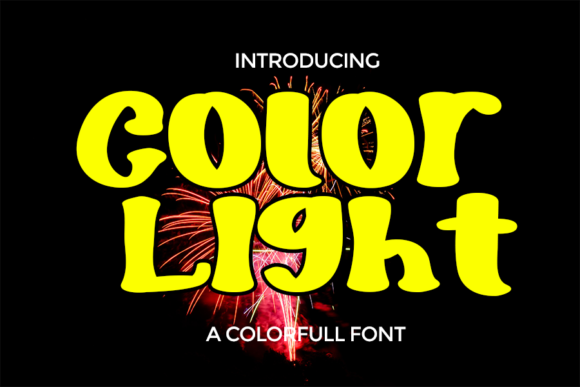
Color Light is not just another font; it’s a carefully crafted typographic solution designed to bring vibrancy and sophistication to any layout. The name itself hints at the essence of this font—its clean lines and soft curves evoke a sense of lightness and openness, while the overall structure maintains a professional edge. Each character is thoughtfully shaped to balance artistic expression with usability, particularly in digital formats where visual impact matters most.
This font is optimized for both print and screen use. Its high contrast between strokes and serifs gives it a bold presence when displayed on monitors or mobile devices, ensuring that headlines and titles remain legible even from a distance. In printed materials, such as brochures, posters, or branding guides, Color Light adds a touch of class and contemporary charm.
Styling Options and Variants
One of the standout features of Color Light is its versatility in styling. It often comes with multiple weights, including regular, bold, and italic variations, allowing users to adapt it to various contexts. Some versions may also include alternate characters or ligatures that enhance the visual appeal further. These options make it easy to create layered designs or emphasize certain elements without needing additional fonts.
Moreover, the font supports a wide range of languages and special characters, making it suitable for international projects. Whether you're designing for a local business or a global audience, Color Light can be a reliable asset in your typography toolkit.
Why Choose Color Light?
Designers are always looking for ways to differentiate their work, and selecting the right font is a key part of that process. Color Light offers several advantages that set it apart from more traditional typefaces:
- Modern Aesthetic: With its sleek and refined look, this font appeals to audiences seeking up-to-date design trends.
- High Legibility: Despite its decorative nature, Color Light ensures that text remains clear and easy to read, especially in headings and short phrases.
- Professional Versatility: It works well across industries—from fashion and lifestyle to tech and education—allowing for broad application.
- Compatibility: Designed for cross-platform use, it performs consistently on websites, social media, presentations, and printed collateral.
These qualities make Color Light a favorite among creative professionals who want to elevate the visual hierarchy of their content without overwhelming the viewer. Its ability to blend form and function is what truly makes it stand out in today's competitive design landscape.
Real-World Applications
Understanding how to best apply Color Light requires looking at practical scenarios where it excels. For instance, in brand identity design, the font helps businesses project a youthful yet sophisticated image. Startups in the wellness or creative sectors often choose it for logos and taglines because it conveys innovation and approachability.
On websites, Color Light is commonly used for hero sections, call-to-action buttons, and navigation menus. Its bold appearance ensures that important messages don’t get lost amid other content. Additionally, when paired with a complementary sans-serif font for body text, it creates a visually appealing contrast that enhances user experience.
Graphic designers working on packaging or event invitations find Color Light particularly useful. Its ability to draw the eye makes it ideal for headlines and titles that need to stand out quickly. The font's subtle details also allow it to fit into minimalist or maximalist styles depending on the designer's intent.
Best Practices for Using Color Light
To fully leverage the potential of Color Light, it's essential to follow some best practices. First, consider the context in which the font will be used. Since it's a display font, it’s most effective in large sizes where its intricate features can shine. Avoid using it for long paragraphs or dense text, as this could reduce readability and diminish its impact.
Second, pay attention to color pairing. Color Light thrives when used with vibrant or neutral backgrounds, but it's especially striking against solid colors or gradients. Experimenting with different hues can help you discover how the font interacts with your overall design palette. However, be cautious with overly bright or clashing colors that might distract rather than highlight the typography.
Third, ensure proper spacing and alignment. Because of its decorative nature, Color Light benefits from generous line heights and letter spacing. This prevents the characters from appearing cramped and maintains a balanced visual flow. Also, aligning text properly—whether left-aligned, centered, or justified—can significantly affect how the font is perceived.
Pairing with Other Fonts
Typography isn't just about choosing one great font—it's about creating harmony within a design. When using Color Light, it's wise to pair it with a secondary font that complements its style. A popular choice is a clean, geometric sans-serif like Montserrat or Lato, which provides a stark contrast and keeps the design grounded.
Alternatively, if you're aiming for a more elegant feel, you might pair it with a classic serif font such as Georgia or Playfair Display. This combination works well in editorial layouts, where a mix of expressive and readable fonts can guide the reader through the content effectively.
Remember, the goal is to create a visual rhythm that doesn't confuse the audience. While Color Light is bold and eye-catching, it should never overshadow the message it's meant to support.
Considerations Before Implementation
Before integrating Color Light into your next project, there are a few factors to keep in mind. Licensing is a primary concern—ensure that you have the appropriate rights to use the font commercially or non-commercially, depending on your needs. Many display fonts require specific licenses for web use, so always check the terms provided by the font foundry.
Another consideration is performance. While display fonts like Color Light offer incredible visual appeal, they can sometimes slow down website loading times if not optimized correctly. Use tools like Google Webfonts or Adobe Fonts to manage performance, and consider converting text to images if speed is a critical factor for your site.
Finally, think about accessibility. Even though Color Light is designed with clarity in mind, its stylized form may not suit all audiences. Always provide an accessible fallback option in case the font fails to load or if users prefer simpler alternatives due to visual impairments.
Case Study: Fashion Brand Revamp
A recent case study involving a mid-sized fashion brand illustrates how Color Light can transform a design strategy. The company was looking to rebrand after years of using a standard sans-serif font that no longer reflected its evolving customer base. By introducing Color Light as the primary headline font, the brand was able to convey a fresh, modern vibe while maintaining professionalism.
The new branding included website banners, product labels, and social media assets. The font's subtle serifs and open letterforms helped improve readability on mobile screens, while its chic appearance aligned perfectly with the brand’s target demographic—young, fashion-forward consumers. The result was a noticeable increase in engagement and a stronger visual identity that resonated with customers.
Trends and Future Relevance
As design trends continue to shift toward more expressive and dynamic typography, fonts like Color Light are becoming increasingly relevant. They bridge the gap between minimalism and boldness, offering a middle ground that appeals to both aesthetics and functionality. This trend is particularly evident in digital marketing, where first impressions matter and visual storytelling is key.
Looking ahead, we can expect to see more brands and creators adopt similar display fonts to stand out in crowded markets. As technology improves, these fonts will become even more adaptable across platforms, supporting higher resolutions and interactive media. Color Light is already positioned as a go-to choice for those who want to embrace this movement without sacrificing quality or coherence.
How to Access and Install Color Light
If you’re interested in using Color Light, you can typically find it through online font libraries such as Adobe Fonts, Google Fonts, or private font foundries. Once downloaded, installation is straightforward. Most operating systems allow you to simply double-click the font file and click "Install."
For web use, you'll likely upload the font via CSS or embed it directly into your site using a service like Typekit. Always remember to validate the font's licensing for web deployment before going live with your project.
Conclusion
Color Light is more than just a trendy font—it's a strategic design element that can influence perception, enhance visual appeal, and communicate a brand’s values effectively. Whether you're a seasoned designer or a hobbyist experimenting with typography, understanding how to use this font appropriately can take your work to the next level.
By focusing on its characteristics, real-world applications, and thoughtful implementation, you can ensure that Color Light becomes a valuable tool in your creative arsenal. Stay informed about font licensing, compatibility, and accessibility to maintain professionalism and reach a wider audience. As the design world continues to evolve, fonts like Color Light will remain at the forefront of innovation and style.