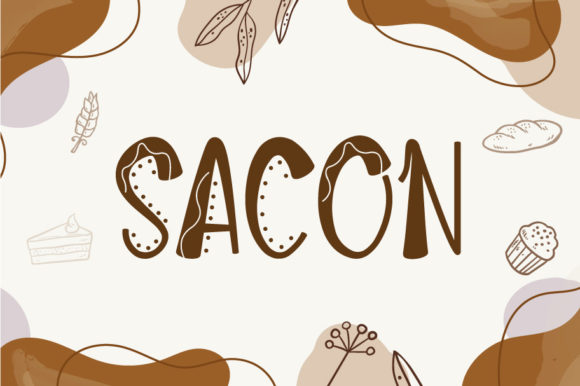
Sacon: A Playful Display Font for Creative Impact
In the world of typography, choosing the right font can significantly influence how your message is perceived. Sacon is a display font that has been making waves among designers and content creators for its unique blend of whimsy and clarity. While it may not be suited for body text, Sacon shines in headlines, logos, branding elements, and other visual focal points where personality and attention are key. This article explores what makes Sacon distinctive, when it’s most effective, and who should consider adding it to their creative toolkit.
Understanding Sacon’s Design and Purpose
Sacon is a playful yet readable display typeface designed with creativity and versatility in mind. It features rounded edges, exaggerated letterforms, and subtle variations in stroke weight that give it a friendly and dynamic appearance. These characteristics make it stand out from more traditional or formal fonts, especially in digital environments where visual appeal plays a crucial role in capturing attention.
The font was created with the intention of bringing warmth and approachability to design projects. Unlike many sans-serif or serif fonts that aim for neutrality, Sacon leans into its expressive nature, offering a sense of movement and energy. This makes it ideal for use in contexts where you want to evoke emotion or create a memorable first impression.
Key Features of Sacon
- Playful Character Shapes: The letters in Sacon have a soft, almost hand-drawn quality that adds charm without sacrificing legibility at larger sizes.
- Versatile Styling Options: Depending on the version or style available, Sacon might include bold weights, italic forms, or alternate glyphs that allow for greater customization.
- High Contrast and Visual Hierarchy: Its strong presence helps establish clear visual hierarchy, drawing the viewer’s eye to important elements like titles or call-to-action buttons.
- Modern Aesthetic: With clean lines and contemporary proportions, Sacon fits well within modern design trends while still maintaining a distinct character.
Real-World Applications of Sacon
Sacon excels in scenarios where typography needs to be both functional and expressive. For instance, in branding materials such as business cards, posters, or website headers, this font can add a layer of personality that aligns with a brand's identity. A children's book publisher might use Sacon for chapter headings to create a sense of fun and engagement, while a boutique café could incorporate it into their logo for a warm, inviting feel.
Another common use case is in social media graphics. Platforms like Instagram, Pinterest, and Facebook often rely on visually striking content to keep users engaged. When used appropriately, Sacon can elevate the aesthetic of posts, helping them stand out in crowded feeds. For example, a lifestyle blogger might pair Sacon with minimalist layouts to highlight key phrases or quotes in a way that feels both stylish and approachable.
However, it’s important to note that Sacon isn’t a one-size-fits-all solution. Its playful nature means it works best in specific contexts. If your project requires long blocks of text—such as an eBook, report, or website body copy—you’ll likely find Sacon too distracting. But for short, impactful statements, it can be a powerful tool.
Evaluating Sacon’s Quality and Usability
From a professional standpoint, the quality of Sacon is evident in its consistent spacing, balanced proportions, and refined details. It avoids the pitfalls of overly stylized fonts that become illegible or inconsistent across different platforms and devices. The font performs reliably in both print and digital formats, retaining its visual integrity at various sizes and resolutions.
Usability is another strength. Despite its decorative traits, Sacon remains highly legible when used correctly. Each glyph is carefully crafted to maintain readability even with its playful curves and flourishes. This balance between form and function is rare in display fonts and contributes to its growing popularity among creatives who value aesthetics but also need practicality.
When it comes to flexibility, Sacon offers several options depending on the designer’s needs. If multiple styles (like bold or italic) are included in the font package, they can help diversify the visual language of a project without feeling disjointed. Additionally, Sacon supports a range of characters, including special symbols and accented letters, which enhances its global usability.
Who Benefits Most from Using Sacon?
- Graphic Designers: Those working on branding, packaging, or promotional materials will appreciate Sacon’s ability to inject personality into their designs.
- Web Developers and UX Designers: Sacon can enhance user interfaces by making key elements more engaging, provided it doesn’t compromise accessibility.
- Content Creators and Bloggers: When designing blog headers, infographics, or social media templates, Sacon adds a creative flair that helps content resonate with audiences.
- Small Business Owners: Entrepreneurs in industries like food, fashion, or education can leverage Sacon to build a cohesive and appealing brand identity.
- Marketing Professionals: In campaigns targeting younger demographics or those aiming for a lighthearted tone, Sacon can serve as an effective visual element.
Strengths and Limitations
One of Sacon’s main strengths is its adaptability to a wide range of creative applications. It bridges the gap between casual and professional by offering a polished look that still feels personable. The font’s character set is comprehensive enough for most projects, and its licensing terms are typically favorable for commercial use, though it’s always wise to verify the specifics before deployment.
That said, Sacon does come with certain limitations. As previously mentioned, it is not recommended for long-form reading. The font’s playful style can reduce readability when used in smaller point sizes or over extended passages. Furthermore, because it is a display font, it may not integrate seamlessly with every design system or theme. It’s essential to evaluate how it pairs with other fonts and visual elements in your project to ensure a harmonious result.
Practical Recommendations for Using Sacon
- Use Sparingly: Reserve Sacon for headlines, subheadings, or decorative accents rather than full paragraphs or dense text.
- Pair Thoughtfully: Combine it with a neutral sans-serif or serif font for body text to maintain contrast and readability. For example, pairing Sacon with Helvetica or Georgia can yield excellent results.
- Test Across Devices: Ensure that Sacon renders clearly on all platforms and screen sizes, particularly if it’s being used for web or mobile projects.
- Consider Context and Audience: Use Sacon in projects where a youthful, energetic, or friendly tone is appropriate. Avoid using it in formal or technical environments unless you’re going for a specific stylistic effect.
- Experiment with Color and Effects: Since Sacon is inherently expressive, don’t hesitate to play with color gradients, shadows, or outlines to enhance its impact in digital compositions.
Long-Term Value and Effectiveness
Fonts like Sacon offer long-term value when they consistently perform well across different mediums and remain relevant in evolving design landscapes. One factor that contributes to Sacon’s longevity is its balance between trendiness and timelessness. While it carries a modern vibe, it avoids extreme novelty that could quickly date it. Instead, it maintains a level of sophistication that allows it to age gracefully compared to many other display fonts.
Effectiveness, however, depends on how well Sacon aligns with your project goals. If your aim is to create something that feels fresh and engaging, it’s an excellent choice. But if your primary concern is minimalism or professionalism, you might find it less suitable. Always test the font in real-world conditions to gauge its performance before committing to a large-scale project.
Where to Find Sacon and How to Integrate It
As with many high-quality fonts, Sacon is available through various font marketplaces and design platforms. Before purchasing or downloading, review the license agreement to confirm whether it permits personal or commercial use. Once acquired, integrating Sacon into your workflow is straightforward. Most design software—including Adobe Photoshop, Illustrator, and Figma—supports custom font installation, allowing you to apply it directly to your projects.
For web developers, using Sacon online involves embedding it via Google Fonts, Typekit, or self-hosting if the font supports it. Web-safe fallbacks should always be considered in case the font fails to load, ensuring your layout remains intact and readable.
Final Thoughts on Sacon
Sacon is a versatile and expressive display font that can bring a touch of creativity to your designs. Whether you're crafting a brand identity, designing marketing assets, or enhancing digital content, Sacon provides an opportunity to connect with your audience on a more emotional level. However, its effectiveness is contingent upon thoughtful application and context. Used wisely, it can transform a flat design into something memorable and engaging. Used carelessly, it risks overwhelming the message or reducing clarity.
If you're looking to expand your typographic palette with a font that balances playfulness and professionalism, Sacon is worth considering. Just remember to weigh its strengths against your project requirements and audience expectations. Typography is a powerful tool—not just for communication, but for shaping perception. With Sacon, you have a resource that can help you do both effectively, when applied with purpose and insight.