Little Flower: A Delightful Display Font for Creative Projects
Choosing the right font can transform a design from ordinary to extraordinary. When it comes to adding charm and character, especially in projects that cater to children or require a touch of elegance, Little Flower stands out as a versatile and visually appealing option. This display font is not just about style—it’s about creating an emotional connection with your audience through its playful yet authentic aesthetic.
What Is Little Flower?
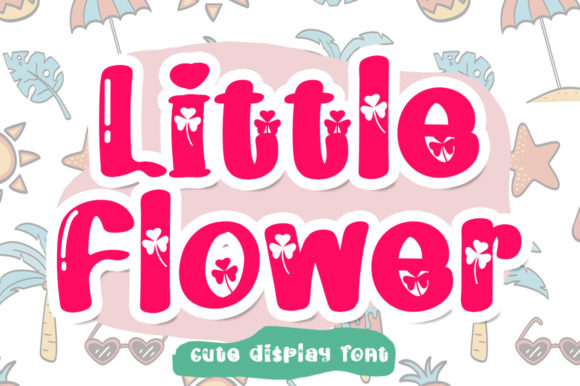
Little Flower is a hand-drawn typeface designed to evoke warmth and whimsy. Its delicate curves, soft edges, and floral-inspired details make it ideal for any creative endeavor where a gentle and inviting tone is desired. Unlike standard sans-serif or serif fonts used for body text, display fonts like Little Flower are crafted to catch attention and enhance visual storytelling.
Why It Matters for Your Work
Fonts play a crucial role in how we perceive content. In educational settings, marketing materials, or artistic designs, the typography you choose communicates more than words alone. For instance, when designing a school newsletter or a kids’ birthday invitation, the right font can make all the difference in engaging parents, students, or guests. Little Flower brings a sense of joy and sincerity that resonates particularly well with younger audiences or those looking to add a personal touch to their work.
Practical Benefits of Using Little Flower
As a creator, educator, or business owner, you’re always seeking tools that help you express ideas more clearly and efficiently. Here’s how Little Flower supports these goals:
- Enhances Visual Appeal: The soft, flowing strokes and subtle floral embellishments give any design a unique flair. Whether it’s a classroom poster or a social media graphic, Little Flower adds a layer of sophistication that elevates the overall look without overwhelming the viewer.
- Supports Branding with Personality: Small businesses or educators aiming to create memorable materials can use this font to build a brand identity that feels warm and approachable. A daycare center using Little Flower on signage or promotional brochures might find it helps convey trust and creativity, key traits for attracting families.
- Encourages Creativity in Education: Teachers and homeschoolers often rely on colorful, engaging visuals to keep young learners interested. By incorporating Little Flower into lesson plans, worksheets, or activity sheets, they can spark curiosity and make learning feel more like play.
Real-World Use Cases
Consider how a local bakery uses Little Flower for packaging labels and event announcements. The font aligns with their branding theme of natural ingredients and community spirit, making their products feel more artisanal and heartfelt. Similarly, a freelance designer working on a client's children’s book project might recommend Little Flower for chapter titles or headings to create a whimsical reading experience.
For marketers, the font can be a subtle but effective way to stand out in a crowded space. An Instagram post promoting a family-friendly event becomes more eye-catching when styled with Little Flower, encouraging higher engagement and shares. Educators have also found success using it in science fair posters and art class handouts—where visual appeal can inspire student participation and pride.
Who Can Benefit Most from Little Flower?
While anyone can appreciate the beauty of Little Flower, certain professionals and hobbyists will find it especially useful:
- Teachers and School Administrators: Looking to design captivating bulletin boards, certificates, or classroom decorations that reflect a nurturing environment.
- Graphic Designers and Freelancers: Seeking to offer clients a fresh, modern font that blends cuteness with professionalism, particularly for branding or print media.
- Small Business Owners: Wanting to craft a friendly, inviting brand image for products aimed at children or families.
- Bloggers and Content Creators: Aiming to add personality to headers, quotes, or themed blog posts focused on parenting, education, or lifestyle topics.
- Event Planners: Creating invitations, programs, or signage for baby showers, kid-themed parties, or educational workshops.
Each of these roles benefits from the ability to communicate with clarity and charm. The font’s legibility in larger sizes ensures that it remains functional while still being decorative.
How to Integrate Little Flower into Your Workflow
Incorporating Little Flower into your design toolkit is straightforward. Start by using it sparingly in areas where impact matters most, such as headlines, subheadings, or call-to-action buttons. Pair it with a clean, minimalist sans-serif font for body text to maintain readability and balance.
Here are some practical integration tips:
- Use it in digital graphics for social media or website banners to grab attention quickly.
- In printed materials like flyers or greeting cards, ensure it complements other design elements without competing for focus.
- Try combining it with simple illustrations or watercolor textures to enhance the thematic feel of your work.
- When using in presentations, highlight key points with Little Flower to emphasize warmth and accessibility.
Little Flower vs. Other Display Fonts
Though there are many display fonts available, Little Flower has a distinct advantage in its blend of delicacy and strength. Some fonts lean too heavily on exaggerated styles or intricate details, which can reduce legibility or distract from the message. Little Flower avoids these pitfalls by maintaining a clear structure while adding just the right amount of flourish.
If you're comparing options, consider the following:
- Is your design intended for a child-focused audience? If yes, Little Flower offers a perfect mix of fun and sophistication.
- Will the font need to be read from a distance or on small screens? Test its visibility before finalizing your layout.
- Does your brand or project require a bold, edgy look? While Little Flower is charming, it may not suit every style—evaluate if a different font would better represent your voice.
Limitations and Considerations
No font is universally applicable, and Little Flower is no exception. Its ornate style makes it less suitable for long blocks of text or formal documents where clarity takes precedence over aesthetics. Always evaluate the context in which you plan to use it. For example, while it works beautifully for a “Back to School” banner, it might not be the best choice for a scientific report or technical manual.
Another consideration is pairing. To avoid cluttered designs, it’s essential to match Little Flower with complementary fonts and color schemes. Overusing it in a single piece can dilute its effect and overwhelm the reader. Think of it as the cherry on top—used strategically, it enhances the whole design.
Boosting Communication with Purposeful Typography
Effective communication isn’t just about what you say—it’s about how you say it. Typography is a powerful tool in shaping perception. With Little Flower, the tone is instantly set: it invites curiosity, evokes nostalgia, and builds a sense of authenticity. These qualities can help simplify decision-making in your design process by guiding you toward a cohesive visual language.
Take the example of a teacher planning a literacy week. By using Little Flower for title slides and motivational quotes, she can foster a positive atmosphere that encourages participation. Or imagine a blogger writing a post about DIY crafts for toddlers—applying the font to section headers and pull quotes can make the content more inviting and easier to follow.
Where to Find and How to Use It
Little Flower is widely available through reputable font platforms such as Adobe Fonts, Google Fonts, and private foundries like Etsy and Creative Market. Before downloading, review licensing agreements to ensure compatibility with your intended use (commercial, non-commercial, web, etc.).
Once acquired, importing it into design software like Canva, Photoshop, or Illustrator is typically seamless. Remember to save your work in appropriate formats (such as PNG or PDF) to preserve the font’s quality across devices and platforms.
Solving Problems with the Right Style
Design challenges often arise from mismatched aesthetics or unclear messaging. Little Flower can serve as a solution in several ways:
- It can unify a design that lacks personality, providing a consistent and recognizable visual element.
- Its playful nature can soften the tone of a serious subject, making it more accessible to younger audiences.
- For entrepreneurs launching a product line for kids, it offers a cost-effective way to differentiate their brand from competitors.
By selecting a font that reflects the core values of your project, you can streamline the creative process and deliver a stronger message. Little Flower does more than look cute—it tells a story of care, creativity, and connection.
A Thoughtful Choice for Everyday Projects
Whether you're designing a nursery, crafting a marketing campaign, or teaching a new concept, thoughtful typography matters. Little Flower isn’t just another font; it’s a design element that supports your intent and amplifies your impact. Its adaptability allows it to fit into both traditional and contemporary contexts, making it a reliable choice for a wide range of applications.
One educator shared how using Little Flower in her classroom transformed student engagement. Posters featuring weekly themes were met with excitement, and even shy students began participating in activities simply because the materials felt more welcoming. That’s the kind of real-world outcome that makes choosing the right font worthwhile.
Final Thoughts
In a world where first impressions matter, typography plays a vital role. Little Flower offers a unique combination of style and substance that can enhance your creative output, improve communication, and support your professional or personal goals. From teachers to designers, small business owners to bloggers, this font serves as a valuable asset in the right situations.
Before committing to it for a large-scale project, test it in various formats and environments. But once you’ve found its perfect place in your design workflow, you’ll likely return to it again and again for its ability to bring warmth and charm to any visual creation.