Bigfoot Cute: A Playful Font for Creative Projects
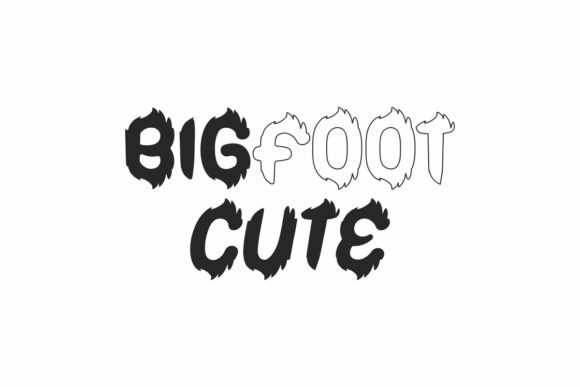
If you're looking to add a touch of whimsy and charm to your design work, Bigfoot Cute might just be the perfect choice. This fun display font features hairy, cartoon-style letters that evoke a sense of playfulness while maintaining enough character to stand out in any visual setting. Whether you're designing a logo, signage, or even food packaging, Bigfoot Cute offers a unique aesthetic that's both eye-catching and approachable.
What Is Bigfoot Cute?
Bigfoot Cute is a hand-drawn typeface with a distinct personality. The letters are rounded, slightly irregular, and feature textured strokes that mimic fur — giving it a warm and organic feel. Unlike many traditional fonts that aim for minimalism or formality, this one leans into its playful nature, making it ideal for projects targeting children, families, or those wanting to convey a lighthearted message.
Why People Love It
- Unique Visual Appeal: Its furry texture and exaggerated curves make it instantly recognizable and memorable.
- Versatile Use: Perfect for branding, stationery, kids' t-shirts, mugs, wall art, and more.
- Emotional Resonance: It evokes a sense of fun and friendliness that can help build brand loyalty, especially among younger audiences.
- High Readability at Larger Sizes: While not suited for body text, it shines as a headline or title font where impact matters most.
Common Mistakes When Choosing Bigfoot Cute
While Bigfoot Cute is a versatile and expressive font, there are several pitfalls users often encounter when selecting or applying it. These mistakes can lead to suboptimal results or even miscommunication of your brand's message.
1. Using It for Small Text
One of the biggest errors designers make is using Bigfoot Cute for small-scale text like captions, footnotes, or body copy. The font’s stylized characters and texture don't translate well in smaller sizes, which can cause readability issues and confuse the audience.
Better Approach: Reserve this font for headlines, logos, or decorative elements. For supporting text, pair it with a clean sans-serif or serif font to maintain clarity and balance.
2. Ignoring Color Contrast
Another common mistake is pairing Bigfoot Cute with colors that don’t complement its style. Because of its soft, cartoonish look, using overly bright or jarring color combinations can distract from the font's intended charm.
Tip: Stick to earth tones, pastels, or muted shades to enhance the font’s cozy and playful vibe. High-contrast colors like black on white work well too, but avoid neon unless the project calls for it explicitly.
3. Not Checking Licensing Terms
Many users overlook the licensing details when downloading or purchasing Bigfoot Cute. While it may seem harmless, using a font without the appropriate commercial license can result in legal complications, especially if you’re an entrepreneur or freelancer working on client projects.
Solution: Always verify the font's usage rights before applying it to anything beyond personal use. If you plan to use it for logos, marketing materials, or product designs, ensure you have the right license for such applications.
How to Apply Bigfoot Cute Effectively
To get the most out of Bigfoot Cute, it's essential to understand how it fits within your overall design strategy. Here are some practical ways to apply it correctly:
Branding and Logo Design
This font works wonders in branding projects aimed at children or family-friendly businesses. Think about how a bakery or toy store could use Bigfoot Cute to create a welcoming and joyful identity.
Example: A local juice bar uses Bigfoot Cute in their logo alongside a warm orange and green palette. The combination makes the brand feel fresh and friendly, drawing in young families effortlessly.
Stationery and Business Cards
If you're creating business cards or stationery for a creative venture, consider using Bigfoot Cute for the company name or tagline. Just remember to keep the rest of the text legible and professional.
Realistic Tip: Combine Bigfoot Cute with a simple, modern sans-serif like Montserrat or Open Sans for a balanced look that still retains the playful essence of the main font.
Children’s Books and Educational Materials
The font’s cartoon-like appearance makes it ideal for children's books or educational content. However, it should be used sparingly to avoid overwhelming the reader. A few key headings or titles can make the layout engaging without sacrificing usability.
Case Study: An educator designed a science-themed children's book using Bigfoot Cute for chapter titles and activity prompts. The result was a visually appealing resource that encouraged young readers to explore the content with curiosity.
Things to Watch Out For
Before finalizing your use of Bigfoot Cute, take a moment to evaluate these factors:
- Project Purpose: Is this font aligned with the tone and goals of your project? Will it resonate with your target audience?
- Font Pairing: Does it complement the other fonts you're using? Poor pairings can disrupt the flow and reduce the effectiveness of your design.
- Technical Compatibility: Make sure the font file format (OTF, TTF, etc.) is supported by your design software and platforms where it will be displayed.
- Legibility Test: Zoom out and check how the font looks from a distance. Does it hold up as a focal point without being distracting?
Avoid Overuse
It’s tempting to go all-in with Bigfoot Cute because of its charm, but overusing it can dilute your message and clutter your design. Use it strategically to highlight key elements rather than as the primary font across all components.
Pro Tip: Try using it only in headers or call-to-action sections to guide the viewer’s attention without overwhelming them.
Where to Find and How to Buy Bigfoot Cute
If you're interested in using Bigfoot Cute in your next project, you’ll want to source it from reputable providers who offer clear licensing terms. Some popular platforms include Adobe Fonts, Creative Market, and specific font foundries known for quality and variety.
Warning: Avoid free font sites that lack transparency about usage rights. Even if they appear trustworthy, they might not provide the necessary permissions for commercial use.
When you purchase or download the font, read through the included documentation carefully. Many fonts come with multiple weights or styles — though Bigfoot Cute typically has a single version — and knowing what you're getting ensures you won’t miss out on potential variations.
Best Practices for Working With Bigfoot Cute
To maximize the impact of Bigfoot Cute, follow these best practices:
- Use Proper Kerning: The spacing between characters in a playful font can sometimes be inconsistent. Adjusting kerning manually can improve readability and aesthetics.
- Test Across Media: Before printing or publishing, test the font on different surfaces and screen resolutions. What looks good on a computer might not render well on a mug or a website banner.
- Limit to Key Elements: As mentioned earlier, use it only where it adds value. Too much of a good thing can backfire.
Design Tools That Work Well With Bigfoot Cute
Most major design tools support custom fonts, including Adobe Illustrator, Photoshop, InDesign, Canva, and Figma. Importing Bigfoot Cute into these programs allows you to experiment with layer effects, gradients, and textures to enhance its visual appeal.
Pro Insight: Consider adding subtle drop shadows or outlines to make the letters pop against busy backgrounds. But again, moderation is key — too many effects can make the design feel unprofessional.
Comparing Bigfoot Cute to Similar Fonts
There are plenty of cute and playful fonts on the market, so it's worth comparing Bigfoot Cute to others to determine if it’s the best fit for your needs. Fonts like Comic Neue, Fredoka One, and Hello America also offer a similar vibe but with different levels of maturity or stylization.
Comparison Point: Bigfoot Cute has a more “hairy” and textured feel compared to smoother alternatives. This makes it great for niche markets or projects with a very specific theme.
Knowing Your Audience Matters
Before choosing Bigfoot Cute, think about who you're trying to reach. If your audience is adults looking for something quirky but still professional, it might work well in limited doses. But if you're targeting a corporate environment, this font likely isn't the right fit.
Example: A boutique yoga studio tried using Bigfoot Cute for their class schedule, but it confused attendees expecting a more serene and readable layout. Switching to a simpler font improved clarity and customer satisfaction.
Final Thoughts on Bigfoot Cute
Bigfoot Cute is more than just a trendy font — it’s a tool that can bring warmth, humor, and creativity to your design projects. But like any font, it requires thoughtful application and understanding of context. By avoiding common mistakes and following best practices, you can leverage its unique characteristics to create compelling visuals that truly connect with your audience.
Always consider the purpose, platform, and audience when deciding whether to use this font. And remember, no matter how adorable it is, the goal is to communicate effectively — not just to impress with style.